
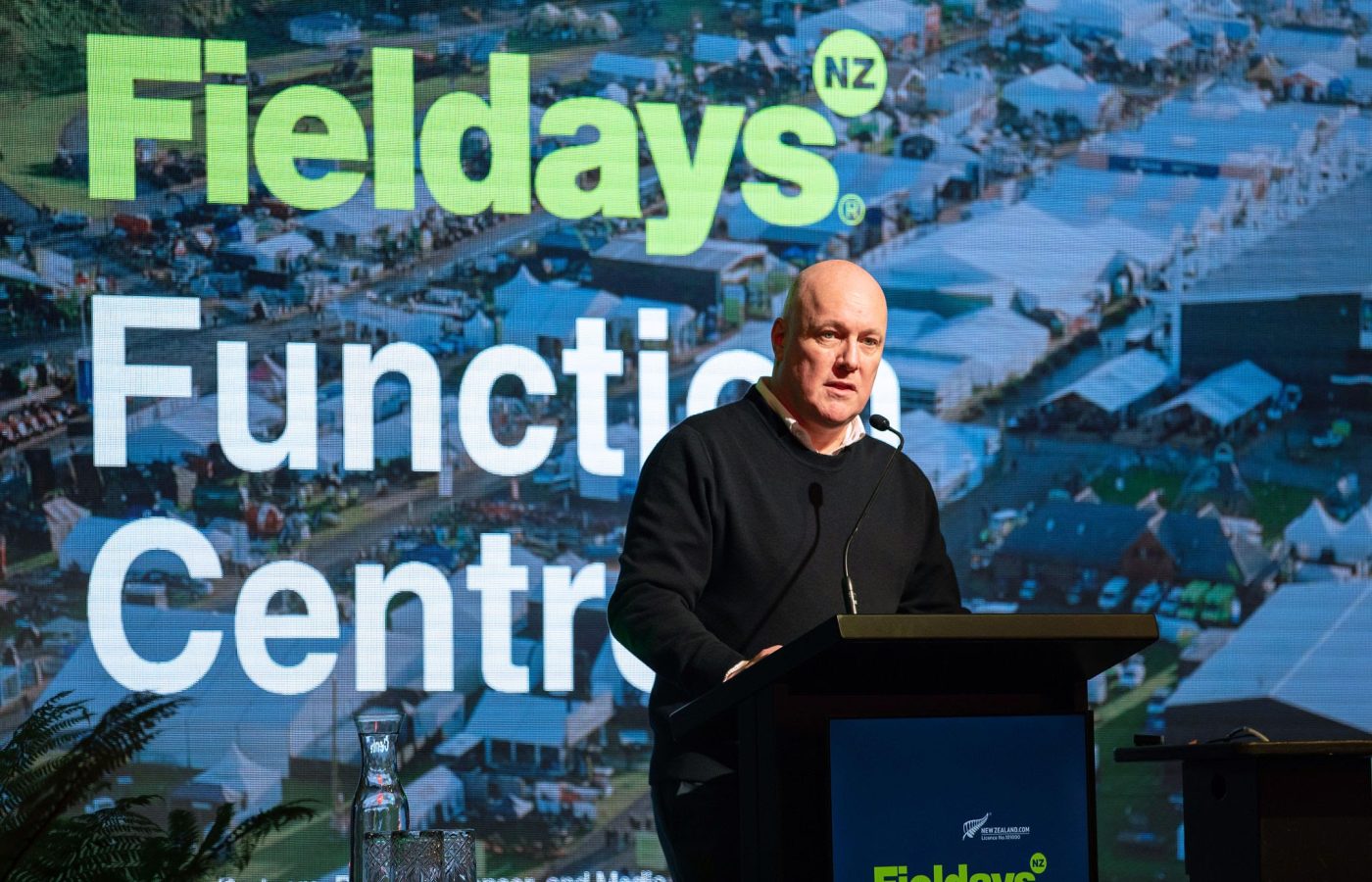
New Zealand Prime Minister Christopher Luxon has called National Party lawmakers to an urgent in-person meeting as speculation about his leadership intensifies less than three months before the general election. The caucus is due to assemble in Wellington at 9:30 a.m. on August 12 to confront the issue directly.
Luxon acknowledged that media coverage and political conversations had increased doubts about his position. The meeting follows reports that National lawmakers were making calls to discuss a possible leadership change, turning private unease into an immediate test of whether he still commands the parliamentary party.
The pressure has risen after a series of public missteps. Luxon said in a live radio interview that he was open to a referendum on New Zealand's electoral system without first consulting party colleagues, and later apologised for telling a Rotorua business audience that companies should act like adults instead of looking to the government for help.
Luxon has served as prime minister since late 2023, when National formed a coalition with New Zealand First and ACT. Any internal change would therefore extend beyond party management: replacing him as National leader would also remove him as prime minister and force the governing coalition to reorganise its leadership before the campaign.
Economic conditions have weakened National's political position. Unemployment reached 5.6 percent in the June quarter, its highest level in almost 11 years, while annual inflation stood at 4.1 percent, above the Reserve Bank of New Zealand's target range of 1 to 3 percent.
Most polls place National narrowly behind the centre-left Labour Party, although the proportional electoral system leaves the November 7 contest open. One recent survey put Luxon at 23.2 percent as preferred prime minister, ahead of Labour leader Chris Hipkins on 19.8 percent, showing that concern about the party's standing does not translate neatly into an individual leadership deficit.
Luxon survived a closed-door confidence vote in April after an earlier round of speculation about his removal. The party did not disclose that result, leaving the current meeting to revisit a question that was contained but not publicly resolved as the election moved closer.
National lawmakers Chris Bishop and Erica Stanford have been identified in domestic political discussion as potential successors. A governing party has not replaced a sitting New Zealand prime minister between elections since 1997, so any challenge would combine an unusual constitutional transition with the immediate risk of destabilising the coalition before voters go to the polls.


