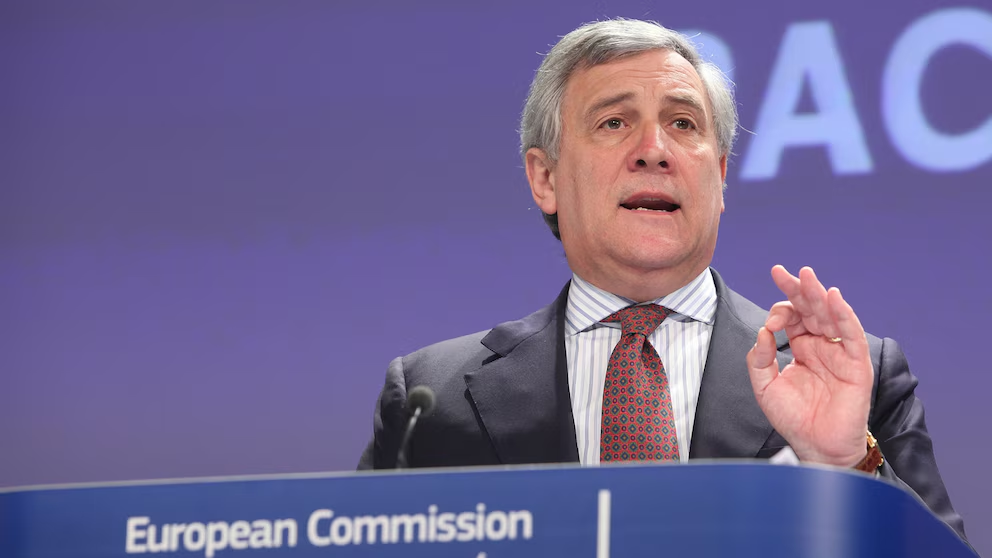
Italian Foreign Minister Antonio Tajani announced on Wednesday that Rome will host a high-level meeting of the Global Alliance for the Two-State Solution on July 28-29, co-chaired with Saudi Arabia's Foreign Minister. The summit aims to give new impetus to the New York Declaration on Middle East peace signed last year.[reference:0][reference:1]
Tajani made the announcement during a joint hearing of the foreign affairs and defence committees of the Italian Senate and Chamber of Deputies, where he briefed lawmakers on the outcomes of the NATO summit in Ankara.[reference:2] The Italian deputy prime minister said the Rome meeting would include a strong component dedicated to interreligious dialogue, "a theme to which we are very sensitive, crucial for strengthening the prospects for peace."[reference:3]
The Global Alliance for the Two-State Solution was established following the New York Declaration, which brought together international stakeholders committed to advancing a negotiated settlement to the Israeli-Palestinian conflict. Saudi Arabia has emerged as a key diplomatic partner in the effort, with Riyadh playing an increasingly prominent role in regional peace initiatives.[reference:4][reference:5]
The Rome meeting is expected to focus on revitalizing diplomatic momentum, which has faced numerous obstacles amid ongoing violence and political fragmentation in the region. The inclusion of interreligious dialogue as a central theme reflects a growing recognition that faith-based engagement is essential to building sustainable peace.[reference:6]
Tajani also announced that a new round of talks on Lebanon will be held in Rome on August 4, following a meeting hosted by the Italian capital last week on the implementation of the agreement between Israel and the Lebanese government.[reference:7] The back-to-back diplomatic initiatives underscore Italy's ambition to position itself as a mediator in Middle Eastern affairs.
The July 28-29 summit comes at a critical juncture, with international efforts to resolve the conflict facing renewed urgency. The participation of Saudi Arabia, a major regional power with significant influence over both Palestinian and Arab diplomatic positions, signals a coordinated push to break the longstanding impasse.[reference:8] Observers will be watching closely to see whether the Rome meeting can translate diplomatic declarations into concrete steps toward a lasting peace.