Australia has launched its largest air exercise in the Indo-Pacific, a show of allied military force that comes just two weeks after China conducted a nuclear-capable missile test in the South Pacific. Prime Minister Anthony Albanese opened Exercise Pitch Black on Monday, kicking off three weeks of drills involving 100 aircraft and thousands of defence personnel from Australia and 20 other countries, including the United States, Japan and Indonesia.[reference:0]
The exercise, hosted by the Northern Territory for more than 40 years, aims to "strengthen relationships among our partners and allies by building interoperability through realistic, high-end training," according to a government release.[reference:1] "Australia is strongest when we work closely with our partners," Mr Albanese said. "Exercise Pitch Black strengthens those partnerships and demonstrates Australia's commitment to working closely across our region to support peace, stability and security."[reference:2]
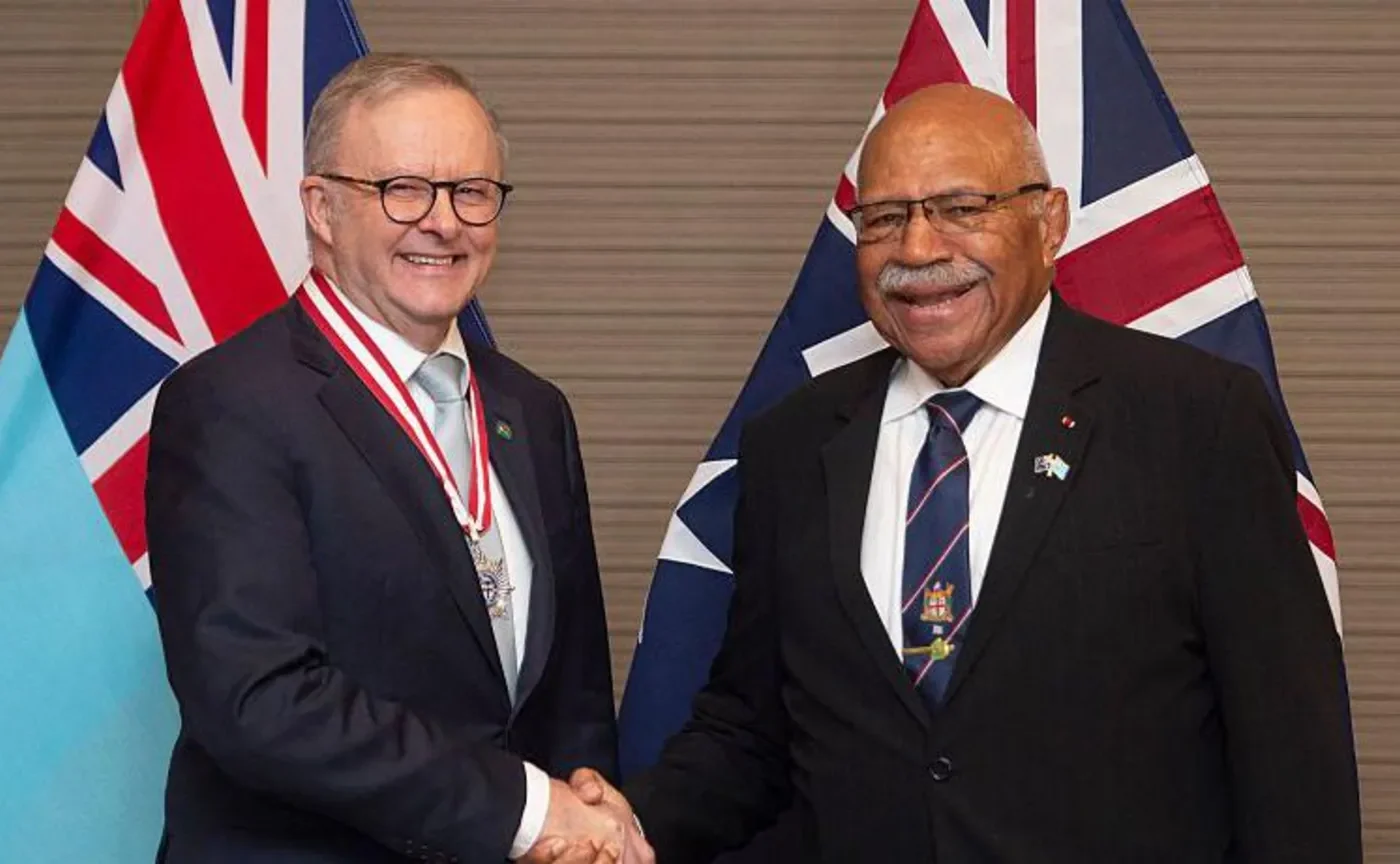
China's missile test earlier this month sent a political shockwave through the Pacific. Coming just hours after Australia and Fiji inked a mutual defence pact that could be extended to more Pacific countries, Beijing insisted the launch was "routine."[reference:3] But governments and analysts alike interpreted it as an attempt to intimidate the region amid an influence battle with the West. The test was met with near-unanimous condemnation, including from Pacific Island countries that had previously leaned toward China.[reference:4]
Deputy Prime Minister and Defence Minister Richard Marles, who also attended the opening of Pitch Black, said China was sending Australia a "message" about its nuclear capabilities, and that the test showed why agreements like the Fiji pact were needed.[reference:5] Mr Marles hailed Pitch Black as "one of the most complex and significant air exercises which occurs in the Indo-Pacific."[reference:6] "Through this exercise, our Air Force is showcasing Australia's ability to bring together partners from the region and beyond to enhance interoperability and deepen defence co-operation," he said.[reference:7]
The timing of the drills reflects a broader strategic realignment in the region, as Pacific nations navigate competing influences between Beijing and Western powers. Australia's decision to proceed with the exercise despite China's objections signals a firm stance on regional security, while the participation of 20 nations underscores the growing network of defence partnerships aimed at countering unilateral actions in the Pacific.[reference:8]
Canberra has increasingly positioned itself as a key player in regional security architecture, balancing economic ties with China against military alliances with the United States and other partners. The Fiji defence pact, signed hours before the Chinese missile test, represents a significant step in Australia's efforts to deepen engagement with Pacific Island nations, many of which have become battlegrounds for influence between Beijing and the West.[reference:9]
As Exercise Pitch Black unfolds over the coming weeks, the region will be watching closely for any further signs of military posturing or diplomatic overtures. The drills, while routine in their execution, carry a weight that extends beyond tactical training, serving as a clear signal of Australia's readiness to stand with its allies in an increasingly contested Indo-Pacific.[reference:10]