Taiwan suspended spot-market purchases of liquefied natural gas from Papua New Guinea as a diplomatic dispute escalated over the future of its representative office in Port Moresby. The measure targets flexible open-market cargoes but leaves a major long-term supply contract intact.
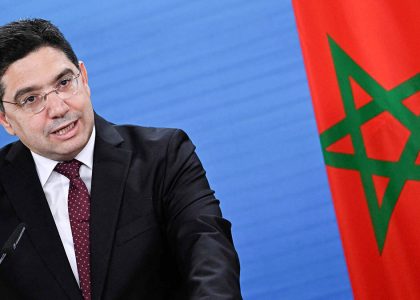
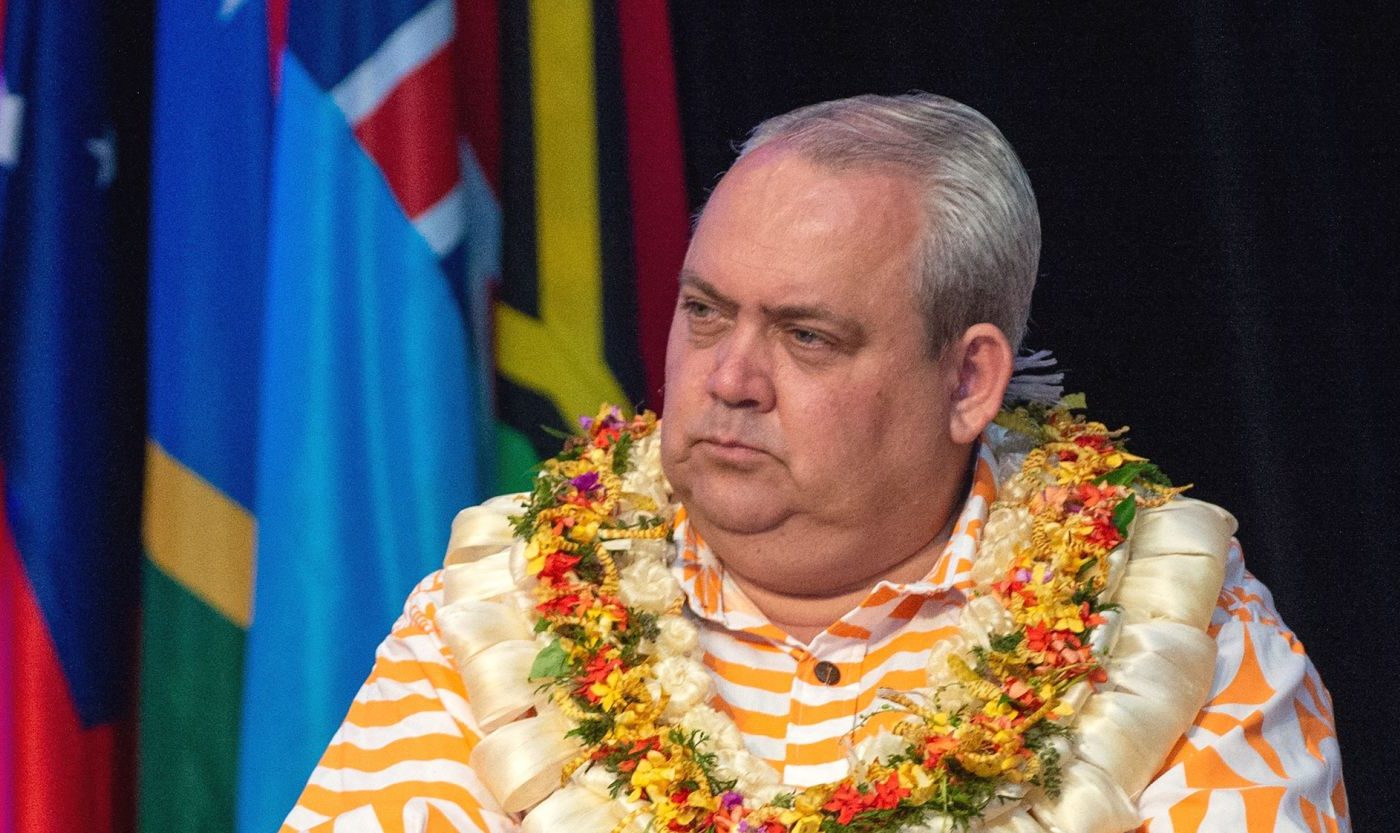
Papua New Guinea Foreign Minister Justin Tkatchenko had announced that Taiwan's de facto embassy would be closed in recognition of his country's One China policy. Taipei protested the decision as unilateral, refused to accept it and instructed its officials to remain at their posts.
Taiwan had threatened to review its gas arrangements, including a contract running through 2030 for 1.2 million tonnes of LNG a year. It ultimately preserved that agreement and stopped only separate spot purchases, limiting the immediate disruption to the broader energy relationship.
The suspended spot volume was described as roughly 500,000 tonnes every six months. At current market rates it was estimated at about 800 million dollars, although the value could change significantly with gas-price volatility.
The financial impact on Papua New Guinea may be limited because global LNG markets have tightened during the Iran war and disruption around the Strait of Hormuz. Strong demand could allow PNG cargoes to find alternative buyers even as Taiwan uses its purchases to signal political dissatisfaction.
Taipei has also considered reviewing or reducing development programs but had not taken that step. Its representatives remained in the country, and Papua New Guinea had not moved to physically remove them, leaving the status of the office unresolved in practice.
China welcomed Port Moresby's decision and presented it as a possible model for other governments. For Taiwan, the episode raises concern that pressure on unofficial missions could spread and weaken the network through which it maintains international relationships without formal diplomatic recognition.
The dispute also reflects Papua New Guinea's effort to balance major partners. It has close security arrangements with Australia and the United States while seeking to demonstrate political alignment with Beijing, placing Taiwan's energy and development ties inside a wider contest over influence in the Pacific.