
The US Supreme Court ruled that Exxon Mobil may proceed with a lawsuit against Cuban state-owned entities over assets confiscated after Fidel Castro came to power.
In a 6-3 decision, the justices concluded that Cuban agencies and instrumentalities cannot rely on foreign sovereign immunity to block claims brought under the 1996 Helms-Burton Act. The ruling removes a major procedural obstacle that had limited Exxon's case in lower courts.
Exxon's claim concerns oil and gas assets once held in Cuba by Standard Oil, the company's predecessor. The properties included a refinery, terminals, packaging facilities and more than one hundred service stations that were taken by the Cuban government.
The original loss was valued at about US$70 million at the time of the confiscation. Exxon now seeks more than US$1 billion, reflecting accumulated interest and the possibility of enhanced damages under US law.
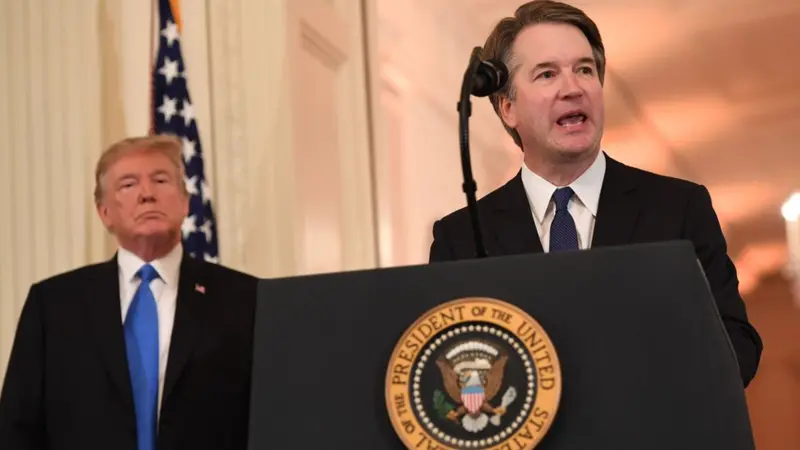
Justice Brett Kavanaugh wrote the majority opinion, finding that the Helms-Burton Act eliminates sovereign immunity for Cuban agencies and instrumentalities in this category of litigation. The three liberal members of the court dissented.
The decision does not itself determine whether Exxon will ultimately recover compensation. It allows the case against Corporación CIMEX and related Cuban state entities to continue in US courts, giving the company another opportunity to prove its claims.
The judgment may also affect other disputes involving property nationalised in Cuba after the 1959 revolution. It arrives amid renewed tension between Washington and Havana and could expand the legal pressure facing Cuban state-owned companies in the United States.


