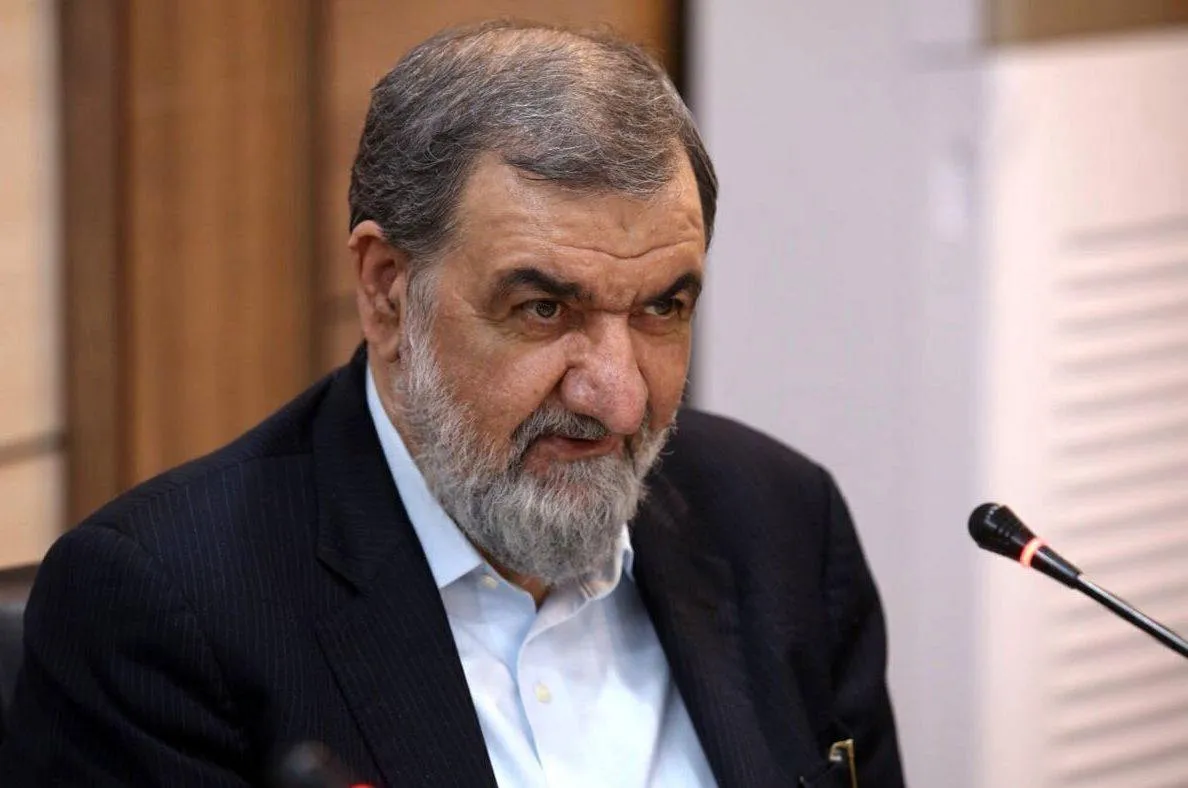
Iranian security official Mohsen Rezaei denied that Tehran was holding negotiations with Washington and said the Strait of Hormuz would remain closed until the United States answered seven Iranian conditions. His statement challenged claims that a diplomatic breakthrough was already taking shape.
Rezaei said reports of continuing talks or a meeting in Qatar were false and accused Washington of publicising negotiations to reduce economic pressure and oil prices. Iran, he said, is still waiting for an explicit response after judging the initial American reply deceptive and insufficient.
Iran has not published the complete list of seven conditions. Rezaei and Foreign Minister Abbas Araghchi have identified the lifting of sanctions and the US naval blockade, together with an end to fighting on all fronts, particularly Israeli attacks on Lebanon.
Araghchi said Hormuz could reopen within two days if the demands were met and argued that neither military force nor intensified sanctions would resolve the conflict. That promise makes the waterway a bargaining instrument as well as a battlefield and global energy chokepoint.
US President Donald Trump said he saw positive momentum after meeting Qatari Prime Minister Sheikh Mohammed bin Abdulrahman Al Thani and suggested further strikes were not immediately necessary. Qatar remains the principal channel trying to narrow the positions without formal direct talks.
The diplomatic claims unfolded as Iran's Revolutionary Guard said at least three ships had struck mines and caught fire in the strait. Continued incidents raise insurance, freight and energy costs and can destroy the political space needed for mediators to test proposals.
Rezaei's denial therefore establishes a hard public baseline rather than proving diplomacy has ended. The next decisive signal will be a clear American response, verifiable maritime restraint or confirmation of indirect negotiations capable of linking sanctions, the blockade and regional hostilities.