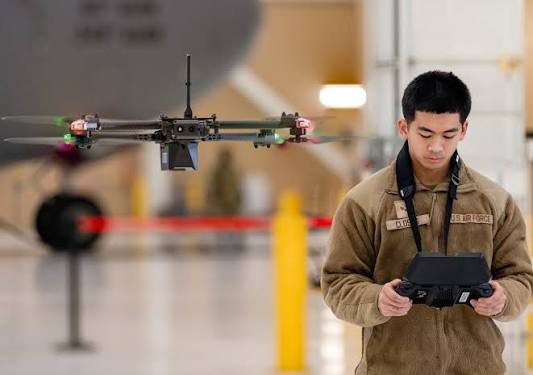
The Bundeswehr will stop using Chinese-made commercial drones at barracks and training grounds after security assessments raised concerns about military, information-technology and data protection. A German defence ministry spokesperson said the systems would be replaced with European products.
Chinese drones had been permitted as a low-cost option for target practice and training. Local commanders could purchase approved systems under a 2024 strategy that included a white list with several models made by DJI, the world's largest civilian drone manufacturer.
The ministry said the change was intended to strengthen military self-sufficiency and technological sovereignty. It did not describe the measure as a blanket national ban; decisions are based on individual risk assessments concerning the security of specific equipment and operating environments.
That distinction matters because commercial drones are useful, inexpensive and widely available, but they collect imagery, location and telemetry. On military sites, uncertainty about software, data flows, updates or remote access can turn procurement savings into operational exposure.
DJI has repeatedly rejected claims that its products create security risks and has cited an independent review that found no evidence of data transmission outside the United States. Chinese diplomatic and commerce representatives had not immediately issued a response to the German decision.
Germany is not acting in isolation. The United States restricted Chinese vehicles at a base in Okinawa, and Poland barred Chinese-made vehicles from military facilities because modern sensors may collect information. The debate is widening from drones to connected commercial equipment generally.
The Bundeswehr must now identify replacements, record dispersed purchases and determine which European systems can meet training needs at acceptable cost. The policy will be credible only if technological sovereignty produces secure supply, rather than shortages or expensive exemptions.