Russian and Ukrainian delegations began a new US-mediated negotiating round in Abu Dhabi, their first direct talks since February. Russian chief negotiator Vladimir Medinsky returned with senior diplomats, military officers and intelligence officials for meetings scheduled through Wednesday.
US envoys Steve Witkoff and Jared Kushner are mediating after weeks of shuttle diplomacy across Europe and Russia. The earlier process stopped when the US-Israel war with Iran redirected political attention, allowing battlefield and infrastructure pressures to deepen during the nine-month pause.
Medinsky's team includes Deputy Foreign Minister Sergei Ryabkov and officials able to discuss military and strategic questions. Their presence can support technical work on sequencing and verification, but it does not show that Moscow has changed its territorial or security demands.
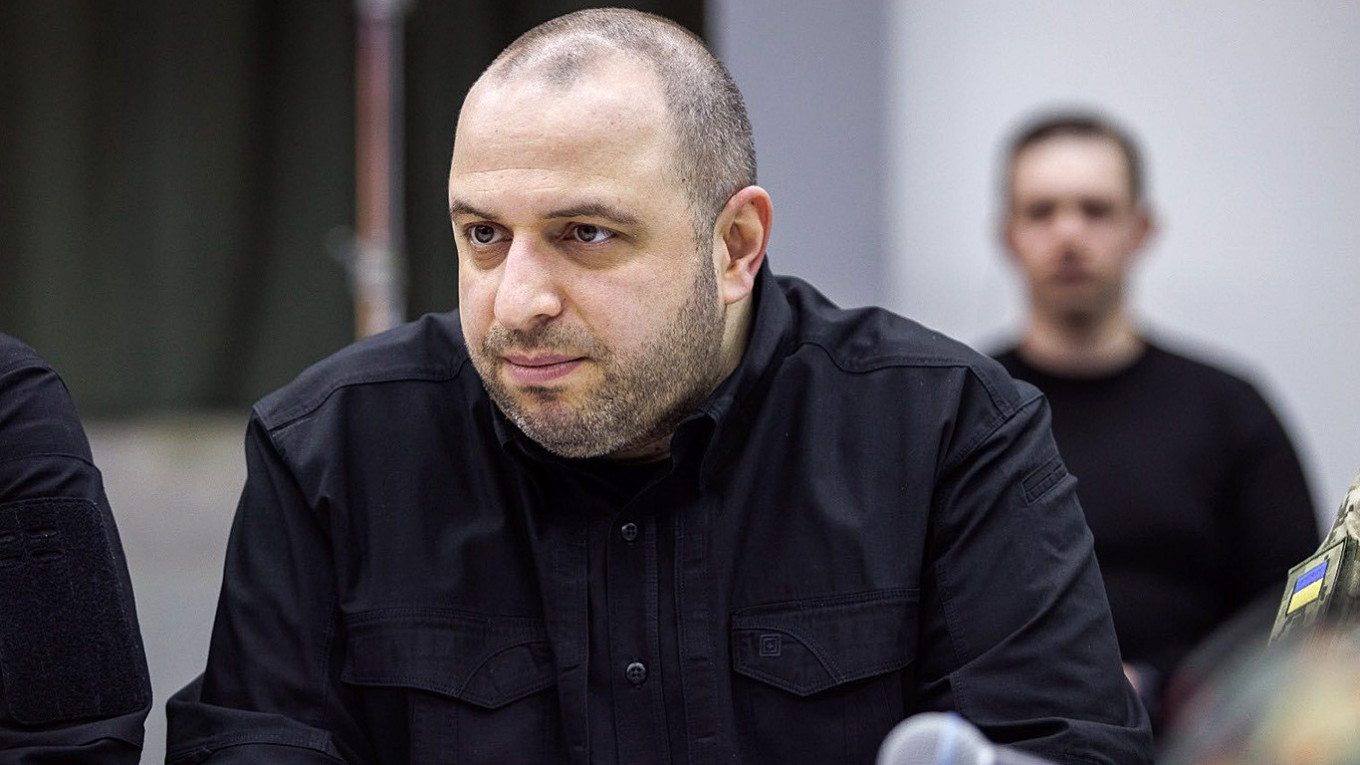
Ukraine's chief negotiator Rustem Umerov met European and NATO representatives immediately before the opening session to align positions. He listed cessation of hostilities, reliable post-war security guarantees, economic recovery and development and humanitarian measures as the round's core agenda.
The two sides remain divided over territory and the order of negotiations. Russia seeks a wider European security framework and has resisted an immediate ceasefire, while Ukraine refuses to surrender land still held by its forces and says territorial decisions require leaders and credible guarantees.
European governments are also seeking influence because any agreement would affect their security and financing responsibilities. Their consultation with Umerov gives Kyiv support, but the decisive bargaining room remains shaped by US leverage and the authorisation granted to each delegation.
Abu Dhabi should therefore be measured by verifiable intermediate results rather than declarations of momentum. A ceasefire mechanism, humanitarian steps or a structured security discussion would show movement; another exchange of maximal positions would confirm that renewed contact has not narrowed the war's central disputes.