The Democratic victory in the United States midterm elections has changed the political terrain for Australia's alliance while offering a domestic warning to Anthony Albanese's government. Analysts say cost-of-living pressure, fuel prices and hostility toward data-centre projects helped overturn congressional control and have clear Australian parallels.
The Iran war had already damaged confidence in economic management by raising energy costs and uncertainty. After the election result, Brent crude fell about twenty per cent from levels that had threatened to surpass the April peak, improving the outlook for inflation and reducing pressure for further interest-rate increases.
Former ambassador Arthur Sinodinos said Canberra should keep working with the Trump administration while building relationships with the new Democratic leadership in Congress. Committees controlling authorisations and appropriations will matter for AUKUS, submarine-industrial investment, Ukraine support and the defence bills required to sustain those programmes.
Abe Denmark, a former US official involved in AUKUS, warned against treating the result as a simple policy reversal. Power will be dispersed among Democratic chairs, Republicans willing to break ranks and presidential hopefuls preparing for 2028, creating more access points but also more political noise.
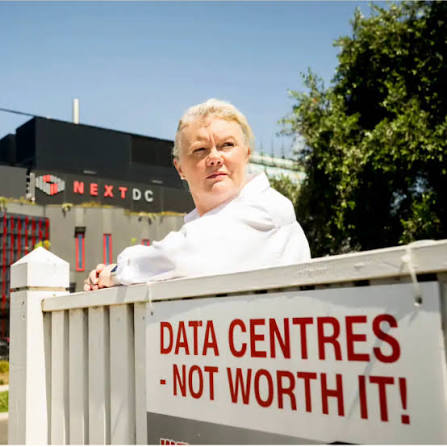
Data centres create a second warning. Communities in several American technology hubs objected to large demands on land, electricity and water. Australia is planning major AI legislation for 2027, and Greens politicians argue that voters will resist subsidising infrastructure when benefits are unclear and local resources are constrained.
Acting Prime Minister Richard Marles said projects need social licence, appropriate locations and dedicated power and water. That acknowledges that national ambitions for artificial intelligence cannot be separated from planning, grid capacity, environmental impact and whether households believe large technology companies are receiving preferential treatment.
For Australia, the lesson is not to copy the American result but to recognise the same political fault lines. Canberra must diversify its Washington relationships, protect long-term defence cooperation and show voters that energy and technology policies improve household conditions rather than transfer public costs to strategic partners or corporations.