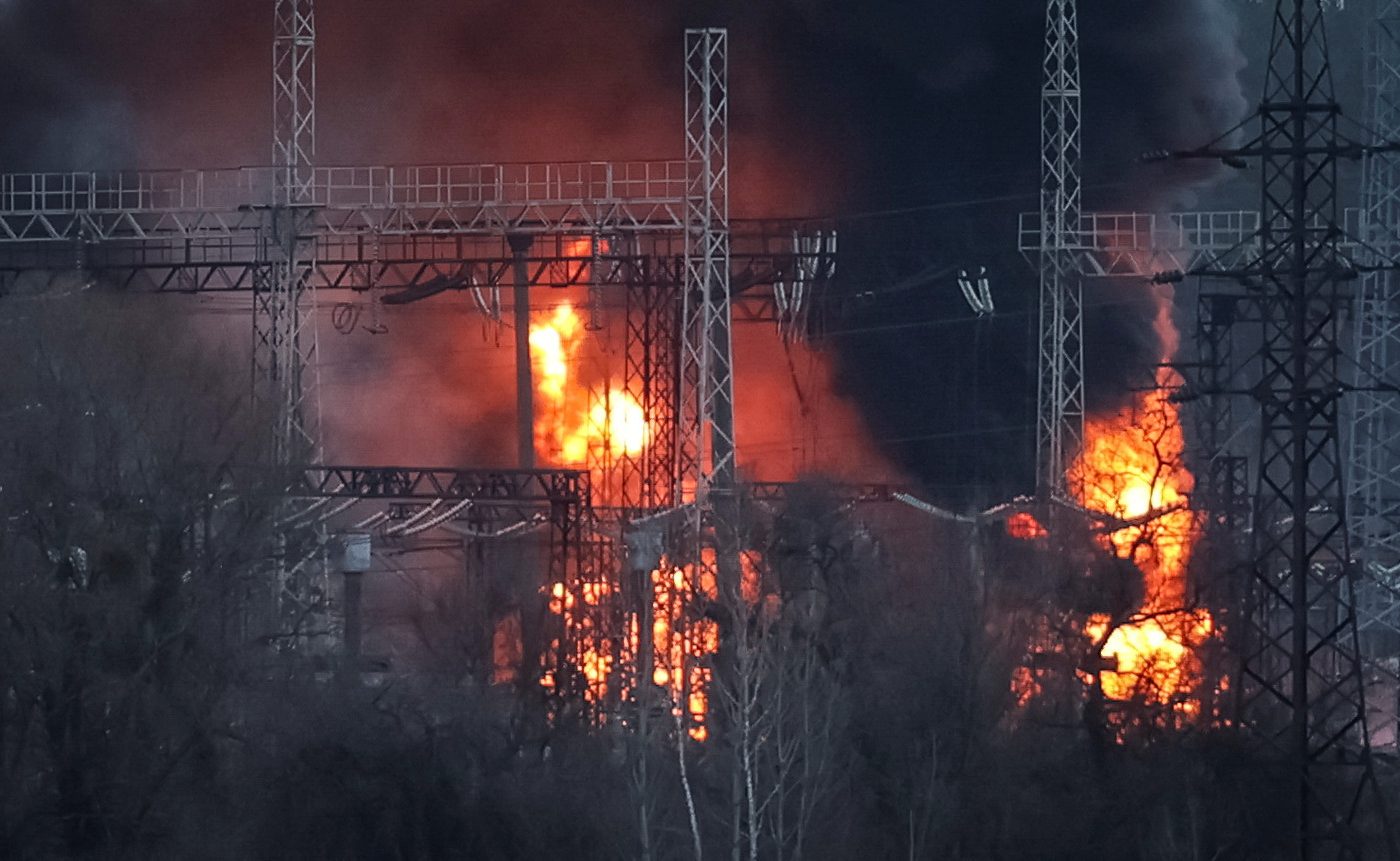
Russia said its forces struck two power stations in the Ukrainian regions of Kyiv and Zhytomyr, continuing a campaign against energy infrastructure as winter approaches. The Defence Ministry also reported an attack on a cargo vessel near Odesa, adding maritime risk to the pressure on the electricity system.
The attacks followed a larger wave of missiles and drones on Tuesday that disrupted power across several parts of Ukraine. Ukrainian officials reported damage or outages in Poltava, Dnipro, Kirovohrad, Rivne and Kyiv, showing that the operation was intended to stress a network spread far beyond the immediate front line.
Power infrastructure is difficult to defend because generation plants, substations and transmission links are fixed, interconnected targets. Even when individual facilities remain operational, repeated strikes can force emergency shutdowns, complicate repairs and oblige grid operators to ration electricity across regions that were not directly hit.
A separate disruption affected Russian-held Crimea, where authorities ordered power cuts after what they described as an accident outside the peninsula. They did not identify the cause. In Russia's Krasnodar region, a drone attack ignited a fire at an Ozon logistics hub, underlining the reciprocal reach of the war.
Moscow and Kyiv both deny deliberately targeting civilians, but the distinction is increasingly contested when attacks damage electricity, transport and commercial infrastructure. Russia presents energy sites as supporting Ukraine's military capacity; Kyiv argues that the scale and timing of the campaign are designed to weaken civilian resilience.
The escalation comes one week before another round of US-brokered peace talks. A Kremlin aide said Moscow's attitude toward the negotiations would depend partly on Ukraine's conduct around Russia's National Unity Day on November 4, linking battlefield events to the political atmosphere surrounding diplomacy.
The attacks therefore create two simultaneous tests: whether Ukraine can keep its grid functioning through sustained damage, and whether negotiators can separate talks from the logic of coercion. Without an enforceable agreement protecting energy and maritime infrastructure, each strike will continue to shape both civilian conditions and bargaining positions.