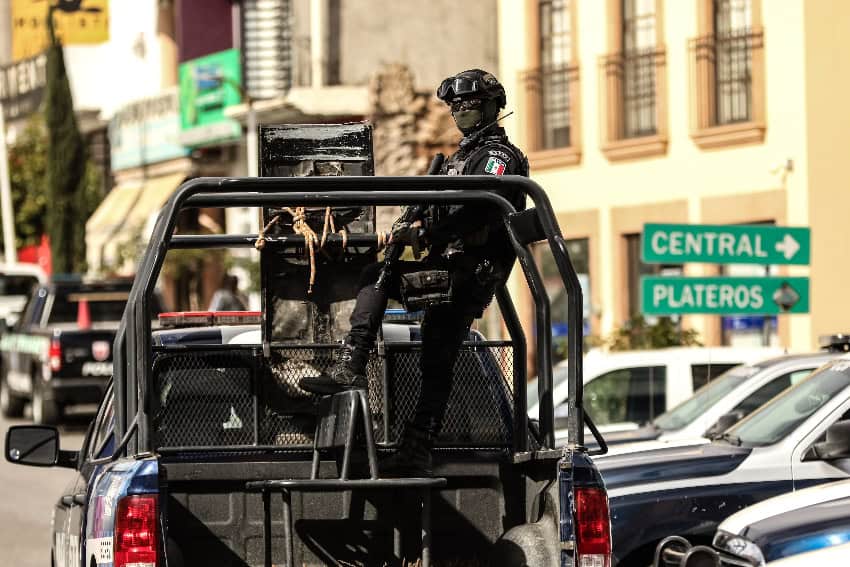
New Latin American governments are putting crime and public order at the centre of their message while giving less prominence to long-term economic development.
Security ranks as a leading concern in Chile, Colombia, Peru, Brazil and Mexico, whereas income and unemployment remain more prominent in Argentina.
Concern about crime exceeds 70% in Peru, 60% in Colombia and 50% in Chile, creating strong electoral incentives for visible enforcement policies.
Recent winners and leading candidates have promised tougher security, but tax-cut pledges and higher policing costs compete for the same limited fiscal resources.
Mexico and Colombia have deficits above 5% of output, while Brazil's deficit is estimated at 9.4%, sharply restricting policy options.
Brazil's public debt is projected near 97% of output in 2026 and 100% by 2036, with interest payments already absorbing 7.7%.
Regional growth is forecast at about 2%, below an earlier 2.2% estimate, even as governments issued more than $120 billion in debt during nine months.
The central tension is therefore structural: voters demand immediate protection, but weak productivity, debt and inflation limit the development needed to finance it sustainably.