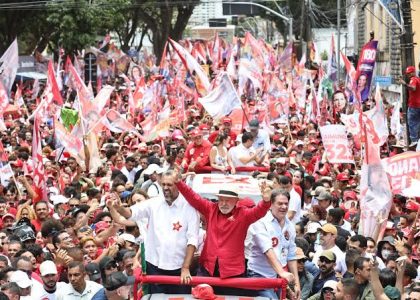
Brazilian President Luiz Inácio Lula da Silva defended the country's Pix instant-payment system while responding to US tariffs of up to 25% on Brazilian exports. Speaking at a political event in São José do Rio Preto, São Paulo state, he linked commercial pressure with the defense of a domestic financial platform.
Lula said Brazil would seek to reverse the tariffs through direct political and diplomatic engagement. The Brazilian delegation planned to use the September sessions of the United Nations in New York to press for the cancellation of penalties imposed by the Trump administration on specific export lines.
The Brazilian president also announced that he would try to arrange a bilateral meeting with Donald Trump during the UN gathering. That objective remained a planned encounter rather than a confirmed appointment, and its stated purpose was to find a route for deactivating the contested tariffs.
Lula defended Pix's technical value by inviting Trump to use the system and experience its speed. His argument answered objections raised in Washington against the Brazilian payment network and presented Pix as a functioning national instrument rather than a justification for commercial penalties.
Brazil's central bank introduced Pix in November 2020 to process transfers and payments continuously, 24 hours a day and seven days a week. The platform subsequently handled the largest transaction volume in Brazilian banking and became the leading payment method in the domestic economy.
The dispute therefore combines two issues that Brasília treats as connected: access for Brazilian exports and control over internal financial infrastructure. Lula's defense of Pix placed technological and monetary autonomy within the same political response as the rejection of US customs duties.
Brazil's government formally rejected the tariff measures and argued that bilateral commercial controversies should be addressed through technical negotiation and direct dialogue. It also rejected outside interference in decisions involving domestic economic policy and the operation of the national payment system.
The planned UN diplomacy will test whether the personal meeting sought by Lula can separate Washington's concerns about Pix from the tariff dispute. Until an agreement is reached, Brazil's position combines defense of its payment architecture with an effort to reopen affected export channels.