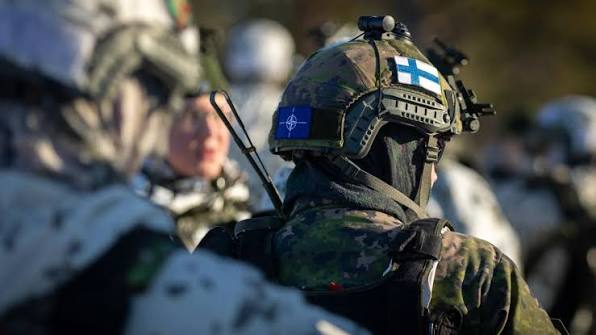
More than 2,000 people took part in Shelter 2026 in Kuopio, an exercise Finnish organizers described as Europe's largest civil defense drill since World War II. Volunteers, students, conscripts and officials rehearsed how communities would function during a sustained national emergency.
The scenario combined cyberattacks that disabled electricity and water systems with warnings of possible Russian missile strikes. Inside a shelter excavated into bedrock, teams closed doors designed to resist nuclear and biological hazards, measured radiation and converted a sports hall into sleeping space for hundreds.
Authorities designed the event to test more than technical equipment. Ordinary residents practiced receiving alerts, finding protection, sharing scarce facilities and coordinating with emergency personnel, turning Finland's concept of comprehensive security into a sequence of decisions people could repeat under pressure.
The exercise also addressed threats that shelters alone cannot stop. Western officials have linked recent fires, disruptions at water and energy installations and unexplained drone activity across Europe to suspected hybrid operations, although individual incidents have often remained unproven or received ordinary explanations.
Finland shares a border of more than 1,300 kilometers with Russia and entered NATO with Sweden after Moscow's full-scale invasion of Ukraine. Retired Colonel Asko Muhonen said the country's conscription system and total-defense culture were being updated with lessons drawn from Ukraine's experience.
Kuopio's largest shelter can hold about 7,000 people, but planners emphasized the importance of many accessible spaces rather than relying only on a few highly protected sites. National guidance also asks households to remain self-sufficient for at least 72 hours during a disruption.
Energy operator Savon Voima said severe weather remains its most common danger, while cyber incidents increased after the invasion and after Finland stopped using Russian biofuel. Stickers appeared on vulnerable facilities and drones were seen near power lines, yet investigations did not establish perpetrators.
The drill drew on a national memory shaped by Finland's wars with the Soviet Union, which cost the country territory and displaced hundreds of thousands of residents. By involving schoolchildren and university students, organizers sought to make civilian preparedness both a shared responsibility and a form of deterrence.