
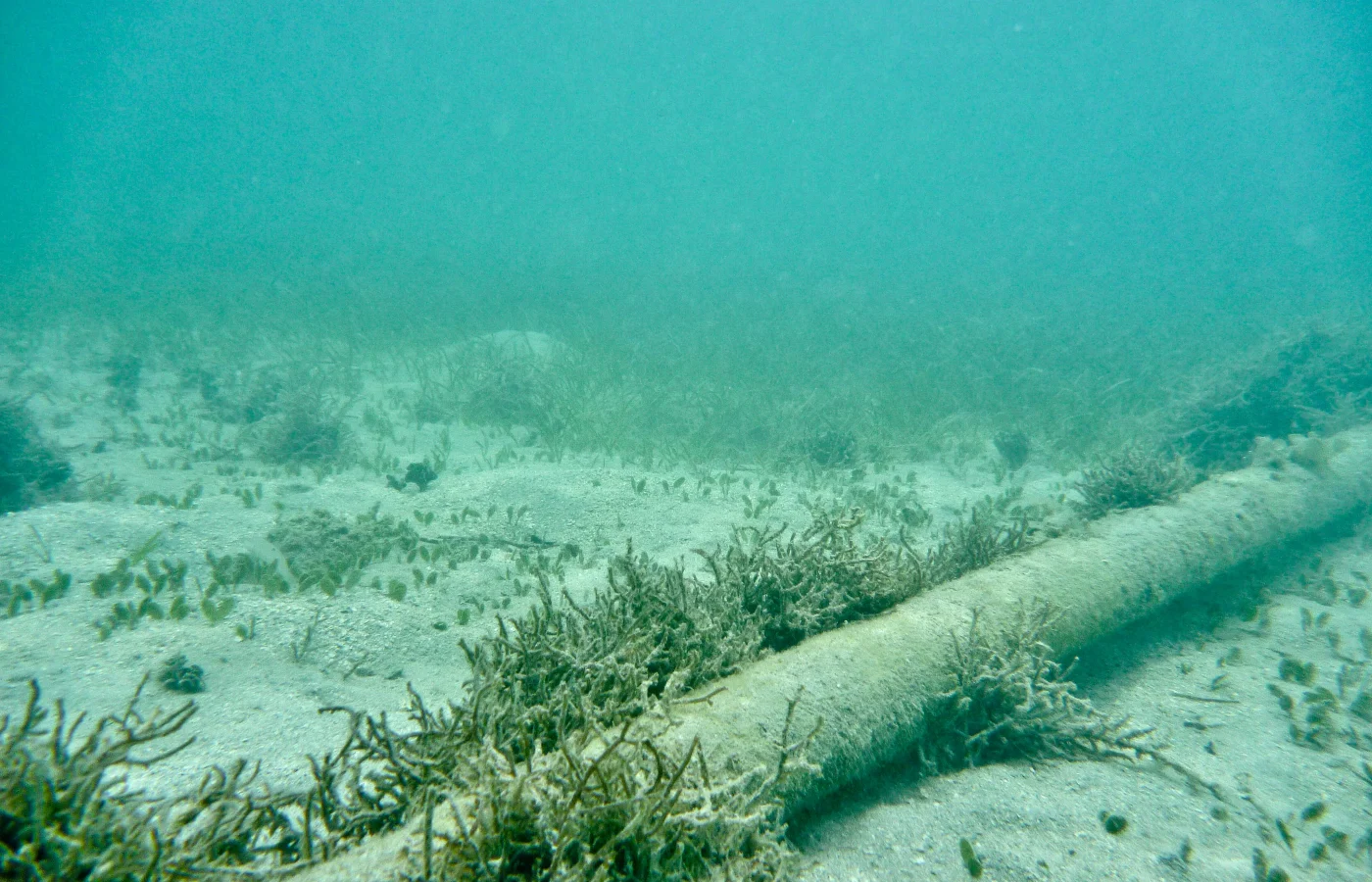
Australia is accelerating protection of undersea cables as governments increasingly treat the seabed as a contested security domain. Just 15 cables carry almost all the country's international digital connectivity, making finance, health, communications and intelligence dependent on a small number of exposed physical routes.
The principal challenge is attribution. Anchors, fishing gear, currents, earthquakes and equipment failure cause many of the world's 150 to 200 annual cable faults, but the same methods can conceal deliberate sabotage. Near-simultaneous breaks off Perth in August demonstrated how difficult it is to distinguish accident from attack.
Seventeen governments have created GUIDE, a voluntary initiative to share practices on underwater infrastructure defence. The members span Europe, the Indo-Pacific and the Middle East, but the framework is non-binding and excludes China and the United States, limiting both its reach and enforcement power.
Canberra also wants better maritime awareness through satellites, autonomous underwater systems and artificial-intelligence analysis. An AUKUS project is developing common payloads for each partner's uncrewed undersea vehicles, with the goal of delivering interoperable surveillance and infrastructure-protection capabilities next year.
Domestic governance is being reviewed because responsibility is divided among communications, defence, home affairs and infrastructure agencies. The Cable Connectivity and Resilience Centre, established inside the Foreign Affairs Department, supports Indo-Pacific partners, while another review examines regulation and protection at home.
The private sector is redesigning the network as well. Technology companies building cables for data centres increasingly avoid geopolitical chokepoints in the South China Sea and Indonesian archipelago. New routes reach Australia's west coast, cross the continent and continue toward the Pacific, Japan, Korea or the United States.
No single measure can secure infrastructure that stretches across international waters. Australia's strategy therefore combines redundancy, surveillance, repair planning, military capability, legal coordination and diplomacy. Its success will depend on rapid attribution and recovery without turning every accidental break into an escalatory confrontation.


