Argentina's resource debate is becoming a provincial finance debate. Under the 1994 constitutional framework, natural resources and the taxes derived from their exploitation belong to the provinces where they are located.
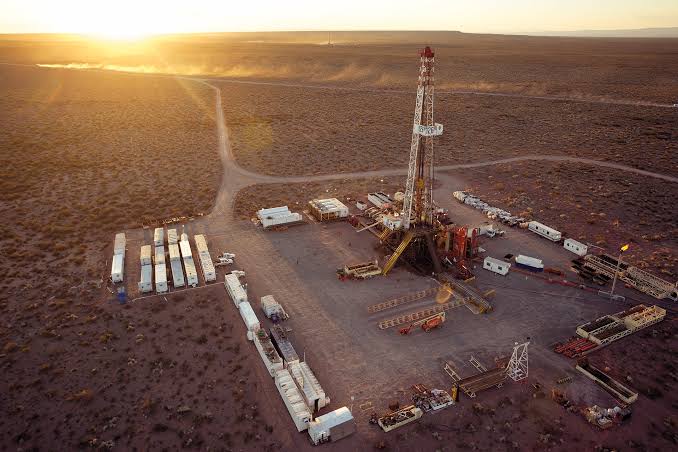
The timing matters because production is rising. Oil output is expected to reach 1 million barrels per day by the end of the year, Neuquén reached 648,114 barrels per day in June, and lithium production in the same month rose to about 11,987 tonnes.
The Alaska model offers a reference point because the state protected part of future royalties through a constitutional mechanism and built a permanent fund that now holds more than 91 billion dollars and pays dividends to residents.
Argentina's provincial record is mixed. Mendoza's long-standing fund fell from more than 1 billion dollars at its peak to roughly 25 million dollars and its administering body was dissolved, while Neuquén's FEDeN remains vulnerable because it is not constitutionally entrenched and has not been capitalized since 2023.
The central choice is whether new commodity income becomes routine spending or long-term wealth. A coordinated legal compact could encourage provinces to save a significant share of royalties in professionally managed funds while linking investment stability to durable fiscal rules.