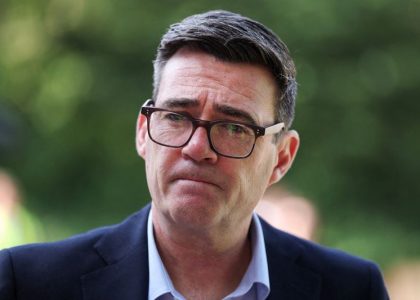
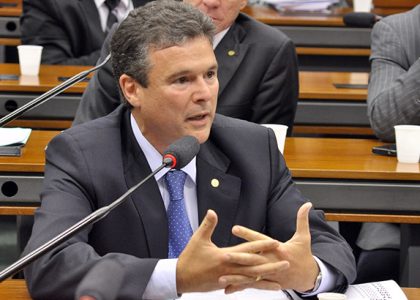
Brazil has withheld the formal diplomatic approval required for Daniel Perez, Donald Trump's nominee for U.S. ambassador, to take up his post in Brasília. The delay could leave Washington without an ambassador during Brazil's pivotal October 4 presidential election.
Trump nominated Perez on June 1. Washington announced the choice before asking Brazil for agrément, the host country's confidential consent to receive an ambassador. Brazilian officials viewed that sequence as a breach of diplomatic protocol.
Perez is a Florida state representative and close ally of Secretary of State Marco Rubio. His nomination passed a U.S. Senate committee and awaits a full vote, but confirmation in Washington would not allow him to assume the position without Brazil's approval.
Brazilian authorities are conducting the standard review of the nominee and have emphasized that no deadline governs the decision. One official indicated that approval is unlikely before the election, while the Foreign Ministry declined public comment because the process is confidential under the Vienna Convention.
The Trump administration has grown frustrated with the delay and may consider punitive measures if the issue remains unresolved. The State Department defended the president's right to choose U.S. representatives and rejected foreign involvement in the American nomination process.
The dispute comes amid a wider deterioration in relations. Washington imposed a 25 percent tariff on several Brazilian products and later added a 12.5 percent levy linked to forced-labor concerns. It also designated two Brazilian criminal groups as terrorist organizations over the objections of Lula's government.
Brazil, in turn, denied visas to two Trump administration officials accused of planning to undermine confidence in the October election. Sovereignty has become a central theme for Lula as he faces Senator Flávio Bolsonaro, who presents Trump as an ally.
Perez told U.S. senators that Brazil's election would be an early priority if confirmed and linked his prospective mission to electoral conditions, trade and security. That emphasis has made the timing and terms of his arrival part of the same bilateral conflict he would be expected to manage.