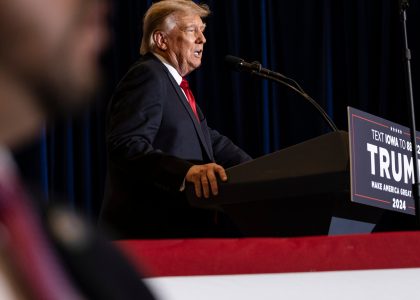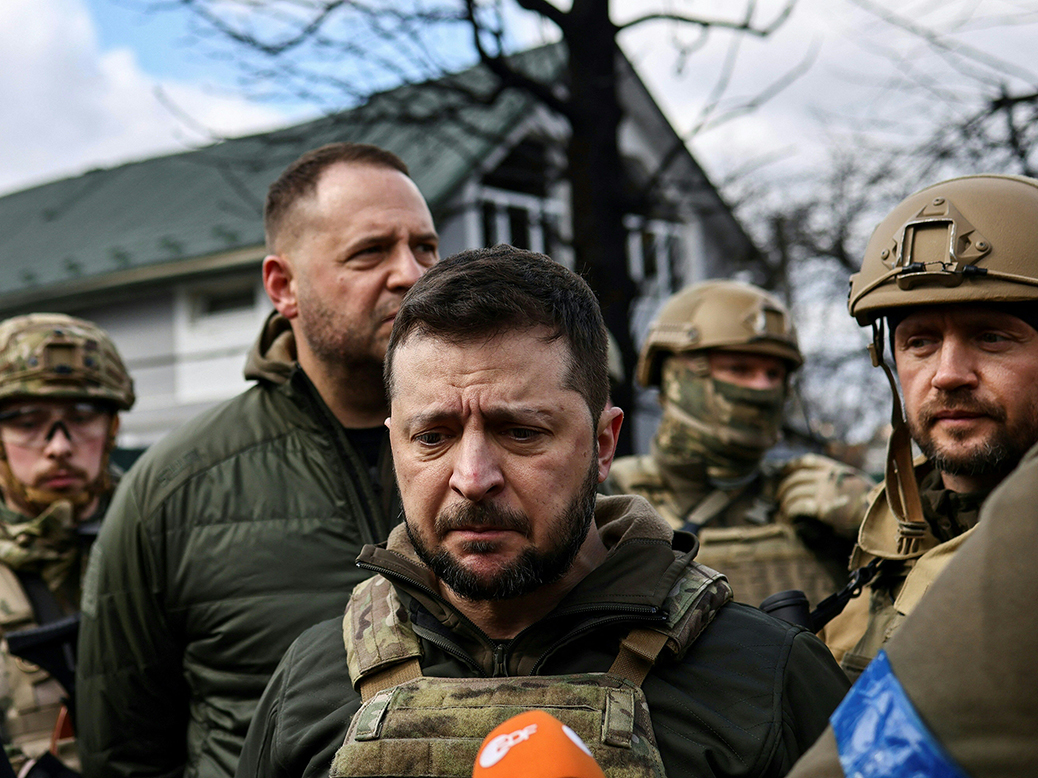
U.S. President Donald Trump prepared to receive Israeli Prime Minister Benjamin Netanyahu and Ukrainian President Volodymyr Zelenskiy in Washington as the wars involving Iran and Ukraine reached difficult decision points. Both visiting leaders were also in the capital for a memorial service for Senator Lindsey Graham, a close Trump ally and advocate of support for Israel and Ukraine.
Trump's relationship with Zelenskiy has improved after repeated clashes early in the president's second term. Ukraine's recent ability to blunt Russian advances and strike Russia's oil industry has altered the political setting for a meeting focused on military needs and prospects for renewed peace negotiations.
Zelenskiy identified anti-ballistic defense and strategic cooperation as his first priorities. Kyiv wants U.S. approval to buy Patriot interceptors, progress on a joint drone arrangement and follow-through on Trump's NATO summit pledge to let Ukraine produce Patriot missiles under license.
The Ukrainian president was expected to discuss peace efforts after recent contacts with U.S. envoys Steve Witkoff and Jared Kushner. A short private White House meeting was to be followed by a visit to Capitol Hill, where Zelenskiy planned to address all 100 senators in pursuit of broader support.
The visit also exposed a dispute over previously authorized aid. The Pentagon informed Congress that it would not finish spending $400 million approved for Ukraine until fiscal year 2029, even as Kyiv reported an urgent shortage of weapons needed to counter Russian missile attacks.
Netanyahu arrived under different pressure. The White House has grown frustrated with the lack of movement toward a broader settlement in the Iran conflict, while part of Trump's political base opposes deeper U.S. military involvement in the Middle East.
The two leaders' relationship was strained by a contentious June telephone call and by disagreements over Israeli operations, including pressure from Trump to restrain attacks in Lebanon. Netanyahu nevertheless sought a public display of support before Israel's October 27 election as his domestic polling position weakened.
The meetings placed Trump at the center of two separate diplomatic and military tracks with no settlement in sight. Decisions on Iran, Israeli regional operations, Ukrainian air defense, defense production and delayed aid will determine whether the Washington encounters produce operational commitments or mainly political signals.