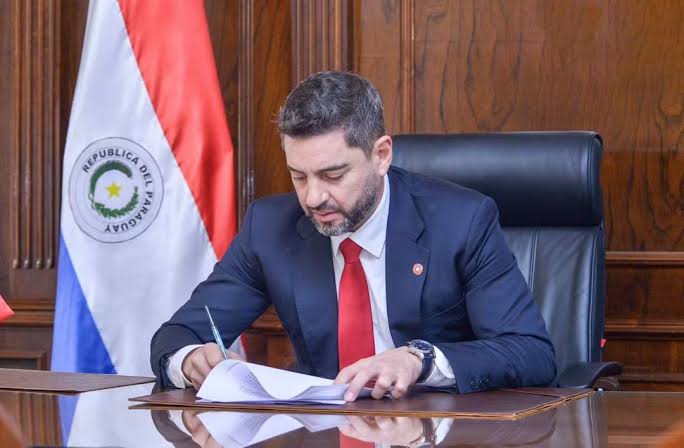
Pedro Alliana's first diplomatic test as Paraguay's president has been to reassure partners after the abrupt removal of Santiago Peña. Messages from Israel, the United States, Brazil and Taiwan gave the new administration recognition, but they also exposed the different strategic relationships Asunción must preserve.
Israeli Foreign Minister Gideon Sa'ar congratulated Alliana and reaffirmed what he described as a historic friendship, cooperation and association between the two countries. The message carried additional weight because Alliana met Prime Minister Benjamin Netanyahu on October 8, before assuming the presidency.
Washington described Paraguay as a strategic regional partner, friend and ally. That formulation signals institutional continuity, yet it does not remove the need for the new government to demonstrate that domestic upheaval will not interrupt security, trade or diplomatic commitments made under Peña.
Brazilian President Luiz Inácio Lula da Silva wished Alliana success and offered an open, frank and cooperative bilateral relationship. Lula also placed the transition in a South American frame, stressing regional integration at a moment when Paraguay's political rupture could have unsettled its neighbours.
Taiwan also expressed support, preserving one of Paraguay's most distinctive foreign-policy choices. Alliana had been expected to visit Taiwan on November 24, but he said he would avoid foreign travel in his new role for now, turning the planned trip into an early scheduling and signalling decision.
Under Alliana's instructions, Foreign Minister Rubén Ramírez contacted several governments to explain that Paraguay would maintain its existing external policy. Ramírez remains in office, giving the presidency an experienced channel to foreign capitals while the domestic transition is still being absorbed.
The incoming messages supply legitimacy but not automatic stability. Alliana must now convert assurances into predictable conduct: keeping channels with Israel and Taiwan, sustaining the US partnership and maintaining a functional relationship with Brazil without allowing the circumstances of his accession to dominate every external conversation.