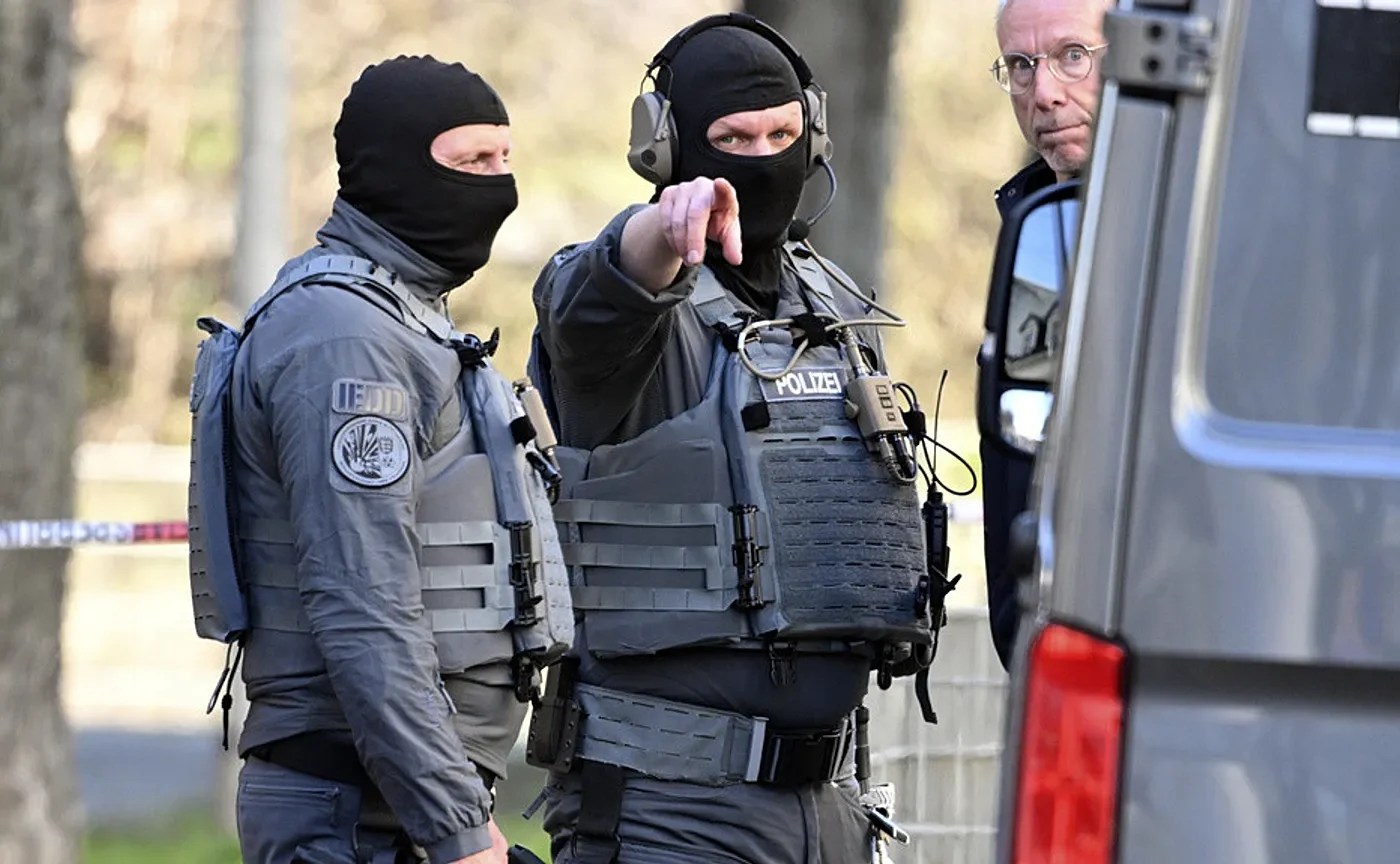
German police have detained two Belarusian men suspected of planning arson or sabotage against a building or critical infrastructure in the Nuremberg area. The suspects, aged 39 and 50, have been held since October 7 while prosecutors investigate the proposed target and their contacts.
Munich prosecutors say the men acted for payment on behalf of a foreign government or organisation, but they have not publicly identified the sponsor. A German magazine reported that the operation was conducted for Russia, an allegation Moscow has repeatedly denied in comparable cases.
The investigation extends beyond Germany. Romanian authorities suspect the same men of involvement in a September 14 arson attack at an industrial park in Brașov. The site includes a defence company producing grenade launchers and ammunition, making the fire a potential security case rather than an ordinary crime.
Romanian organised-crime prosecutors are seeking the extradition of both Belarusian suspects. They also want a Ukrainian national detained in Poland, alleging that all three participated in the Brașov attack. The requests connect three national investigations and several judicial systems.
The evidence released publicly remains limited. German authorities have described the planned Nuremberg action and the foreign-payment allegation, while the attribution to Russia comes from media reporting rather than the formal prosecutorial statement. No completed attack in Germany has been announced.
That distinction matters because sabotage cases combine criminal proof with intelligence assessments. Investigators must establish operational links, financing, instructions and intent while separating state direction from freelance activity or indirect recruitment. Cross-border evidence and extradition rules can slow that process.
The arrests nevertheless show European authorities treating fires and infrastructure plots as potentially connected operations. Whether prosecutors can demonstrate a common sponsor will determine if the case becomes evidence of a broader campaign or remains a set of serious but separate criminal allegations.