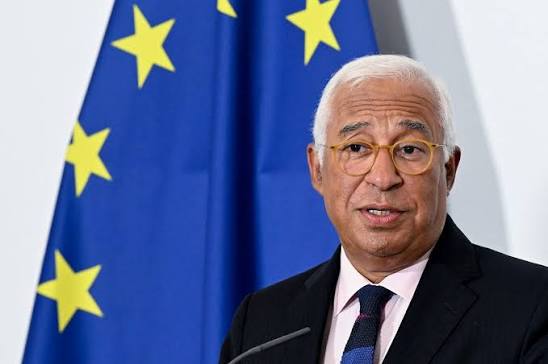
European Council President António Costa has started a four-week tour of European Union capitals to map the compromises needed for the bloc's 2028–34 budget. The itinerary begins with meetings involving leaders from Slovakia, Latvia, Lithuania and the Czech Republic, while Sweden is being skipped during its election period.
Costa wants a coherent picture of national red lines before negotiations enter their decisive phase. His target is a unanimous agreement in December, because a delay deep into 2027 could leave the Union without enough time to make new programs operational on January 1, 2028.
The European Commission proposed a package worth nearly €2 trillion, the largest seven-year budget in the Union's history. A compromise drafted under the Cypriot presidency trims the headline amount by about 2%, but that change has not bridged the principal disagreements among governments.
Several fiscally conservative and modernization-focused states demand much deeper reductions, especially in agriculture and regional cohesion. Germany has called the existing scale unacceptable, while a group of 17 countries defending cohesion policy wants funding for farming and less-developed regions to increase.
Governments broadly accept a more flexible architecture, yet remain divided over the total envelope and how to pay for it. Sweden has sought a reduction near 20%, Spain supports additional common European borrowing, and the Commission has proposed five new streams of direct EU revenue.
The budget must also finance ambitions that have expanded since the previous cycle, including advanced technology, defense production, climate adaptation and long-term support for Ukraine. Those priorities compete with established agricultural and cohesion programs, making every increase politically costly elsewhere.
The Irish presidency is expected to present a detailed negotiating framework in October, followed by a summit that month and a possible extra meeting in late November. Costa hopes those stages will leave leaders with a narrow final bargain for December, when unanimity will still be required.