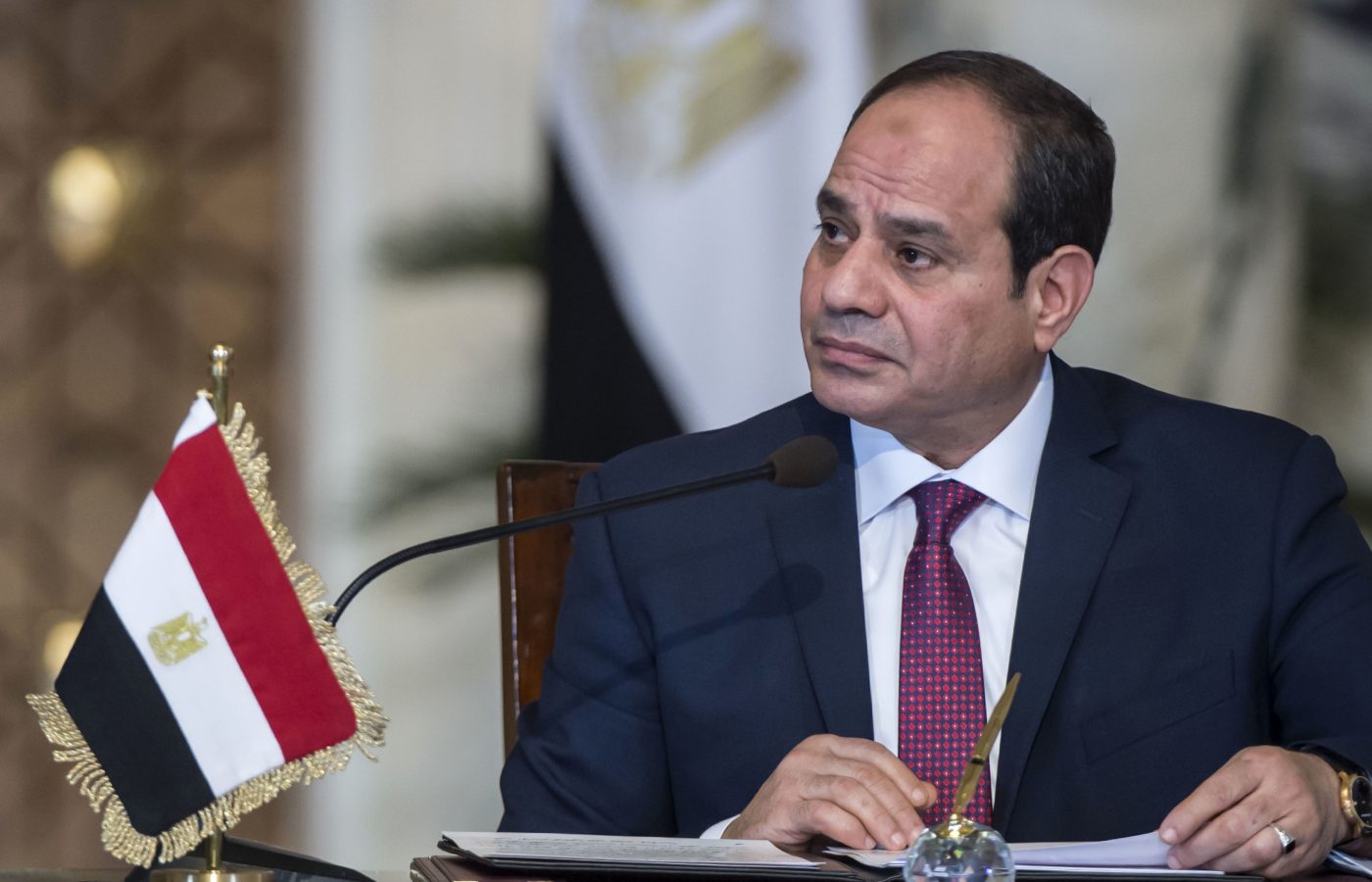
Ukrainian President Volodymyr Zelenskyy warned Egyptian President Abdel Fattah el-Sisi that Russian attacks on cargo vessels in the Black Sea could cause food shortages. Ukraine is a major supplier to Egypt and other countries in Africa and the Middle East, and Zelenskyy said deliveries were already falling significantly, creating risks of higher prices and scarcity. The two leaders agreed to work on solutions.
Russia rejected the idea of a Black Sea ceasefire, saying it saw no basis for partial measures that would give Ukraine a temporary respite. Foreign Ministry spokesperson Maria Zakharova accused Kyiv of attacks intended to destabilize civilian shipping, while omitting Russia's own strikes from her account.
Both Russia and Ukraine have intensified attacks on commercial vessels in recent weeks, pushing global grain prices higher. Ukraine had proposed through a third party that both sides stop striking civilian ships, an initiative apparently designed to reopen a crucial grain corridor, but Moscow's response left that route blocked.
The war is also sharpening political tensions in Poland. Polish officials and researchers say Russia has expanded a Polish-language online disinformation campaign that exploits the historic dispute over the Volhynia massacres, foments hostility toward Ukrainian refugees and seeks to weaken support for Kyiv as the far right gains ground before the closely contested 2027 parliamentary elections.
Poland says about 100,000 Poles were killed by Ukrainians in the Volhynia massacres between 1943 and 1945. The dispute intensified after Zelenskyy named an army unit after insurgents involved in the killings, prompting Polish President Karol Nawrocki to strip him of a high Polish honor in June.
Inside Russia, authorities acknowledged new petrol shortages in several regions as Ukraine continues attacking oil refineries. A large refinery in Orsk, roughly 1,300 kilometers from the front, was shut for six months after a strike during the week. The government said oil companies were increasing deliveries to the most vulnerable areas.
Russian jet-powered drones struck a home in northern Ukraine, killing a 29-year-old woman and her nine-year-old son. The attack followed the deadliest month for Ukrainian civilians since the invasion's opening weeks: at least 437 people were killed and 2,610 wounded in July. Ukrainian drones, meanwhile, targeted Russian infrastructure including a major port north of Moscow.
Romania found a second drone on its territory near the Danube border with Ukraine, without identifying its origin, after an earlier low-flying drone escaped radar detection and crashed. Separately, Vladimir Putin told Kim Jong-un that Russia and North Korea were cooperating across all areas to support regional security, underscoring how the war's military, economic and alliance pressures continue to spread beyond the immediate battlefield.