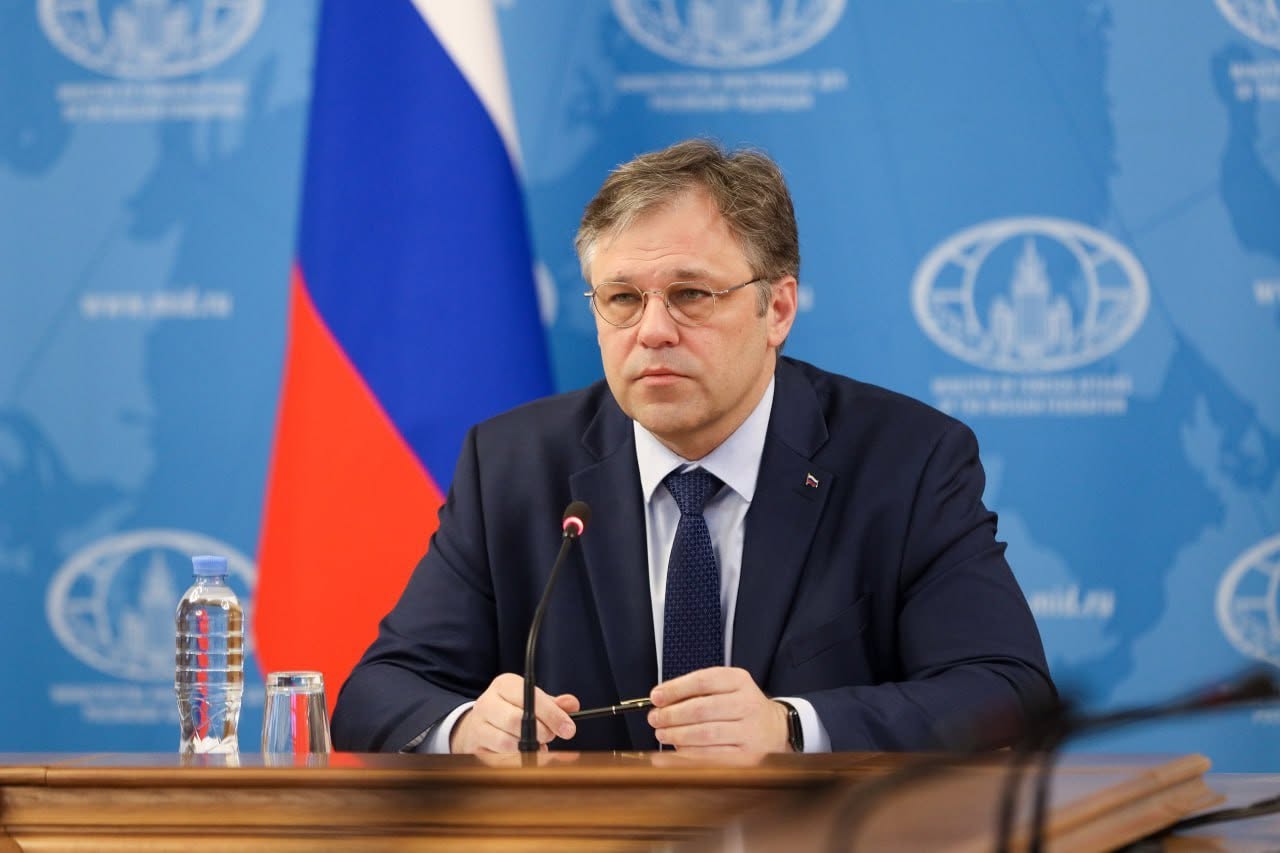
Russian Foreign Ministry Ambassador-at-Large Rodion Miroshnik described relations between the United States and the European Union as a reciprocal effort to use the other side's capabilities. His remarks framed the partnership through competing military and economic interests rather than shared political objectives.
Miroshnik said European governments want access to American military and technological capacity to continue supporting the conflict in Ukraine. His statement treated those US capabilities as an operational resource that Europe intends to use.
He also argued that the European Union is seeking American energy capacity to meet its supply needs. In his account, the transatlantic relationship connects security requirements with Europe's demand for energy from the United States.
Miroshnik portrayed Washington's priorities differently, saying the United States wants European money and is less interested in preserving Europe's technological development. He presented the relationship as one in which US economic gains do not necessarily reinforce European industrial capacity.
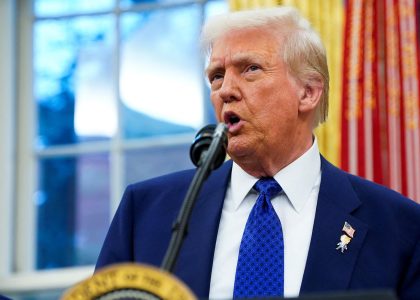
The diplomat linked this assessment to President Donald Trump's strategy, claiming Washington wants to attract European specialists, technologies and existing industries to US territory. He said the approach reflects Trump's conclusion that an economy centered on services alone cannot sustain broader national ambitions.