Uruguay's government is reading the latest U.S. tariff increase as part of a broader shift toward more protectionist trade policy, even as it expects the immediate effect on the country to remain limited. President Yamandu Orsi framed the measure as a warning signal in a global commercial environment that is becoming more restrictive.
Speaking at a press conference in the southern department of Canelones, Orsi said Washington's decision would raise tariffs from 10 percent to 12.5 percent on certain Uruguayan products. The increase is narrower than a blanket trade measure, but it still places pressure on exporters that depend on access to the U.S. market.
The affected goods represent roughly one-fifth of Uruguay's exports to the United States. That scope allows the government to argue that the overall exposure is contained, while still acknowledging that the sectors included in the measure could face a concrete loss of competitiveness.
Orsi also stressed that the tariff change does not cover trade in services. That distinction matters for the government's assessment because services remain outside the new duty structure and therefore are not part of the direct impact calculated by officials.
The president said Uruguay's main exports to the United States were also excluded from the increase. That exclusion limits the macroeconomic risk of the decision, but it does not remove the concern created by a 2.5-percentage-point rise affecting specific export lines.
Orsi described the increase as part of a daily global contest with protectionism, calling for intelligence and caution in the way Uruguay responds. His remarks placed the issue beyond a bilateral tariff dispute and into a wider debate over how smaller trade-dependent economies navigate a less open commercial system.
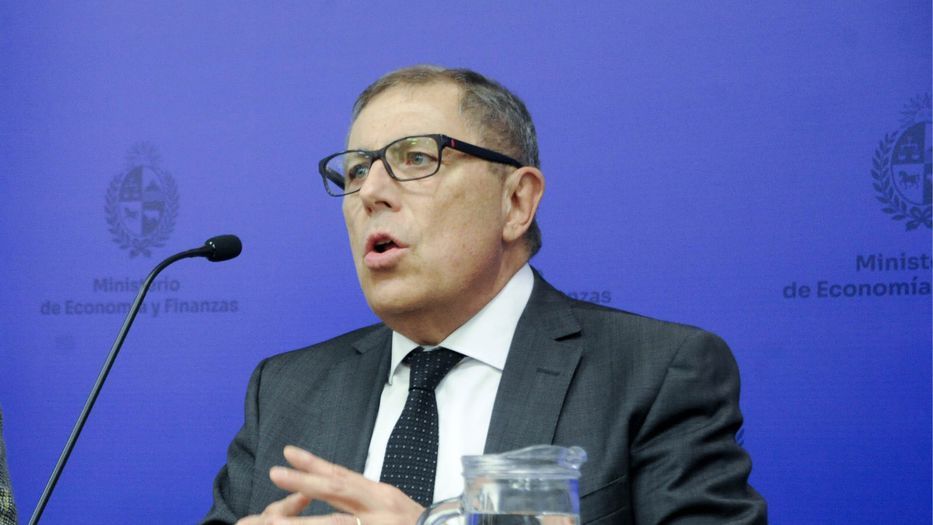
Uruguay's Ministry of Economy and Finance said the government will adopt measures to mitigate the effect on the sectors affected by the tariff increase. The announcement indicates that Montevideo is preparing a targeted response rather than treating the change as a systemic shock.
The ministry also noted that the government submitted a bill to Congress banning imports of goods produced with forced or child labor. That initiative adds a labor-compliance dimension to Uruguay's trade agenda at a moment when tariff policy and market access are becoming more politically sensitive.