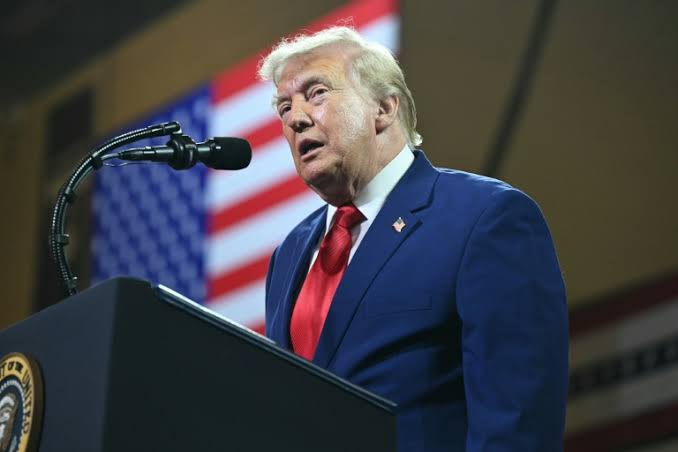
President Donald Trump announced a new round of double-digit tariffs on imports from 60 countries, moving U.S. trade policy into another phase as earlier temporary levies were set to expire. The measure would apply duties of 10% to 12.5% and is being framed by the administration around enforcement failures linked to goods produced with forced labor.
The decision comes as temporary 10% worldwide tariffs reach their deadline. Those stopgap measures followed a Supreme Court ruling in February that struck down Trump's broader tariff approach, pushing the administration to pursue what it presents as a more durable legal basis under a 1974 trade law.
The new structure keeps important exemptions in place. Oil, gas and fertilizer are excluded, while products that qualify for duty-free treatment under the U.S.-Mexico-Canada Agreement are also spared. That carveout limits the immediate reach of the tariff package for North American trade flows while leaving a broad set of other partners exposed.
The economic burden will initially fall on companies in the United States that import foreign goods. Importers generally absorb the duty at the border and often try to recover the cost through higher prices, which makes the policy sensitive in a period when household budgets remain under pressure.
The administration is therefore accepting a political risk. The tariff rollout lands ahead of the Nov. 3 midterm elections and at a moment when high living costs remain a central concern for voters. The measure links trade enforcement, industrial policy and consumer prices in a single decision with domestic and international consequences.
For trading partners, the announcement signals that Washington intends to maintain pressure through narrower but potentially more resilient tariff authorities. The coming test will be whether the new duties reshape compliance behavior without adding further strain to supply chains, consumer prices and commercial relations.