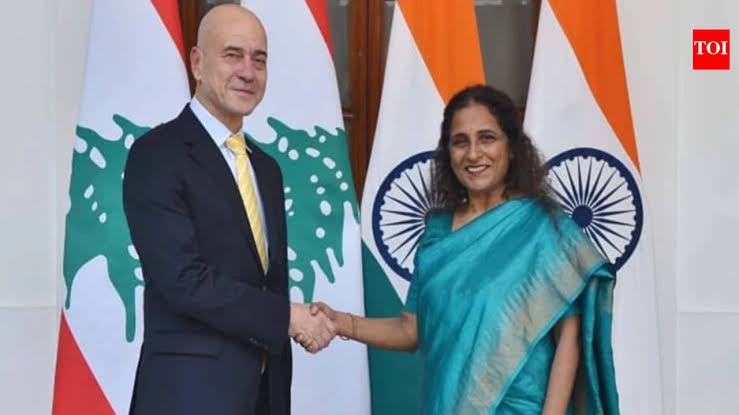
India and Lebanon held their first Foreign Office Consultations in New Delhi, creating a permanent mechanism for a relationship previously managed through visits and individual files. Indian secretary Sripriya Ranganathan and Lebanese secretary-general Abdel Sattar Issa co-chaired the inaugural session.
The officials reviewed political and security ties, economic cooperation and socio-cultural relations. Establishing a full-spectrum agenda matters because the countries must discuss commercial opportunities while Lebanon remains exposed to regional conflict and a large diaspora links both societies.
Trade and investment were identified as priorities, but the meeting did not announce transaction values or specific projects. The next stage will require companies, regulators and financial institutions to translate the diplomatic mandate into sectors, counterparties and realistic financing structures.
Digital public infrastructure offers India a distinctive contribution. Its experience with public digital platforms can support government services and inclusion, provided Lebanese institutions define local needs, data protections, ownership and maintenance rather than importing technology without administrative capacity.
Pharmaceutical cooperation was another priority, reflecting India's manufacturing scale and Lebanon's demand for reliable access. Practical progress could include regulatory recognition, procurement channels and distribution, but no product list or timetable was disclosed after the consultations.
The dialogue builds on Ranganathan's August visit to Egypt, Palestine and Lebanon. In Beirut she met Issa and Prime Minister Nawaf Salam, reviewed the bilateral relationship and discussed the evolving regional situation, providing the political preparation for the New Delhi session.
Ranganathan and Issa have now created an institutional starting point rather than a completed programme. Its credibility will depend on scheduled follow-up, measurable trade and digital projects, pharmaceutical access and the ability to keep cooperation functioning during regional instability.