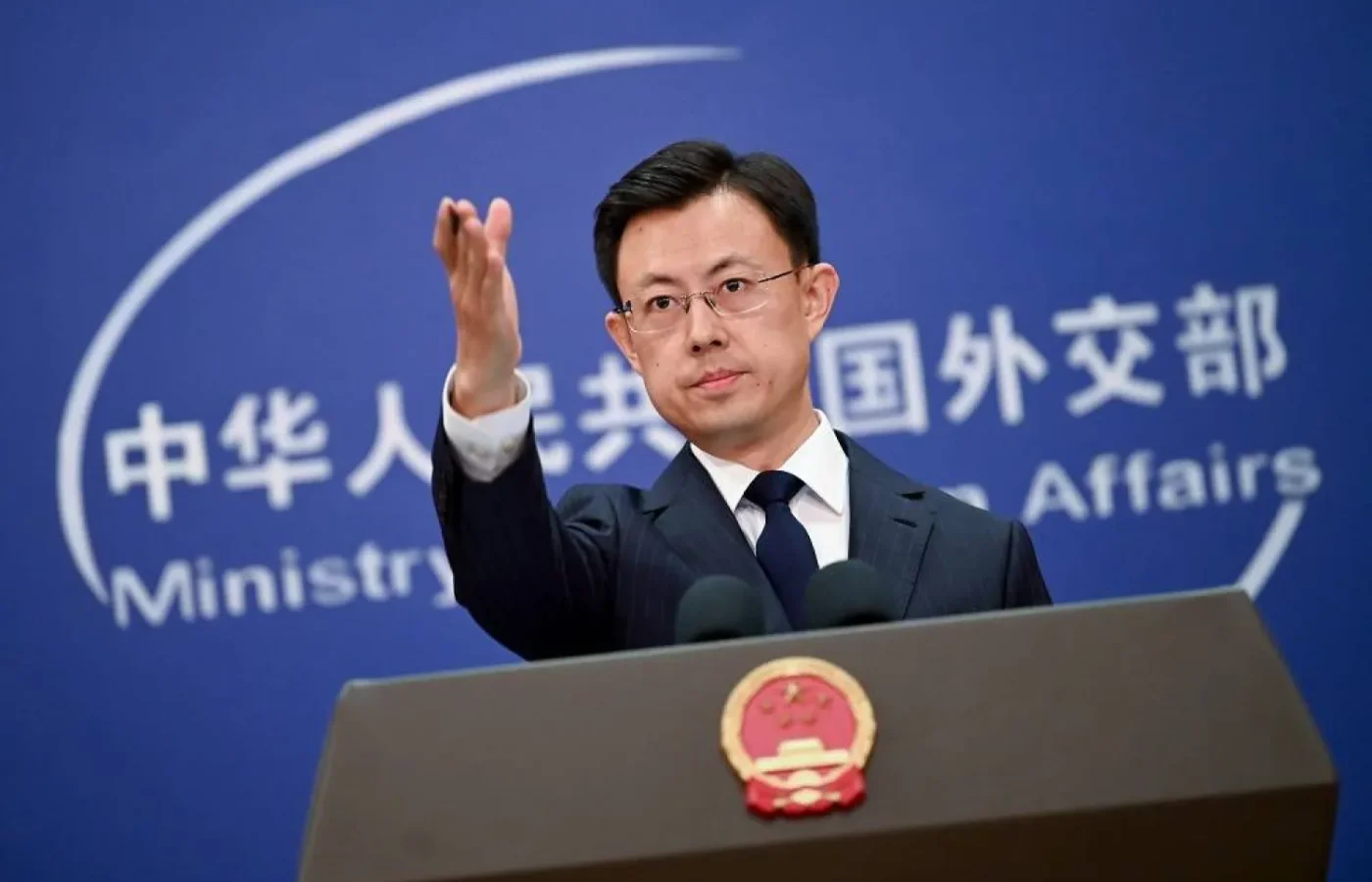
Chinese Foreign Ministry spokesperson Guo Jiakun used a wide-ranging briefing to present economic openness and political resistance as complementary parts of Beijing's foreign policy. His answers moved from trade with Canada and Africa to disputes involving the United States, Japan, Cuba and Macao.
Guo announced that Vice-Premier He Lifeng would co-chair the second China-Canada Economic and Financial Strategic Dialogue on November 9 with François-Philippe Champagne and Maninder Sidhu. The meeting is meant to restore senior economic contact while bilateral commercial questions remain politically sensitive.
On trade, Guo repeated four priorities associated with the China International Import Expo and Canton Fair: sharing market opportunities, strengthening investment and supply chains, supporting innovation and removing barriers through mutual trust. He declined to detail a reported US-China tariff and farm-purchase package.
The briefing also promoted China's Africa policy. Guo said zero-tariff treatment would begin on May 1 for 53 African diplomatic partners and placed trade above $310 billion in the first nine months of 2026, an increase of 22 per cent from a year earlier.
The conciliatory economic language stopped at political red lines. Guo blamed Japanese Prime Minister Sanae Takaichi's Taiwan remarks for severe difficulties in relations and demanded a correction, while defending Macao's 12-and-a-half-year subversion sentence against former legislator Au Kam San as a security matter.
He also rejected new US measures against Cuba that included two Chinese companies, calling them unilateral sanctions and long-arm jurisdiction. Beijing would support Havana and protect the lawful interests of Chinese firms, Guo said, tying opposition to sanctions to its broader sovereignty argument.
Guo's briefing shows the operating formula: expand markets where dialogue is useful, withhold details in unfinished negotiations and answer pressure with categorical political language. The test is whether partners experience the promised openness in trade while disputes over Taiwan, sanctions and national-security law intensify.