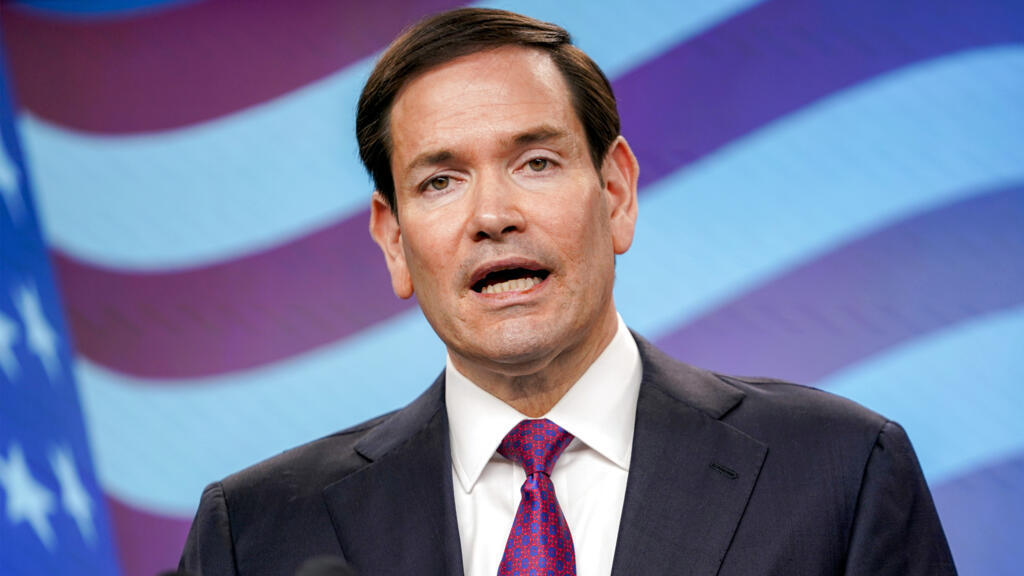
Marco Rubio's first official trip to Central Asia brought more than 200 US business leaders and new attention to investment in the five regional states.
Kazakhstan, Kyrgyzstan, Tajikistan, Turkmenistan and Uzbekistan hope the visit can prepare a future presidential trip and deepen trade beyond traditional security ties.
The region now has more leverage: Kazakhstan attracts about two-thirds of Central Asian foreign investment and supplies more than a quarter of US uranium imports.
Uzbekistan has opened its economy and improved regional connectivity, while all five governments cultivate multiple partners including Russia and China.
The main barrier to larger US investment is governance, including weak courts, dominant state enterprises, opaque contracts and decisions tied to personal relationships.
American financing and access to Western supply chains generally require enforceable contracts and transparency, conditions that regional governments may view as intrusive.
Geography adds another constraint because all five states are landlocked and proposed routes through the Caucasus or Afghanistan remain costly, incomplete or insecure.
Critical-mineral discussions illustrate the gap between announcements and delivery: the United States receives only about 2% of the region's mineral exports and major projects remain distant.