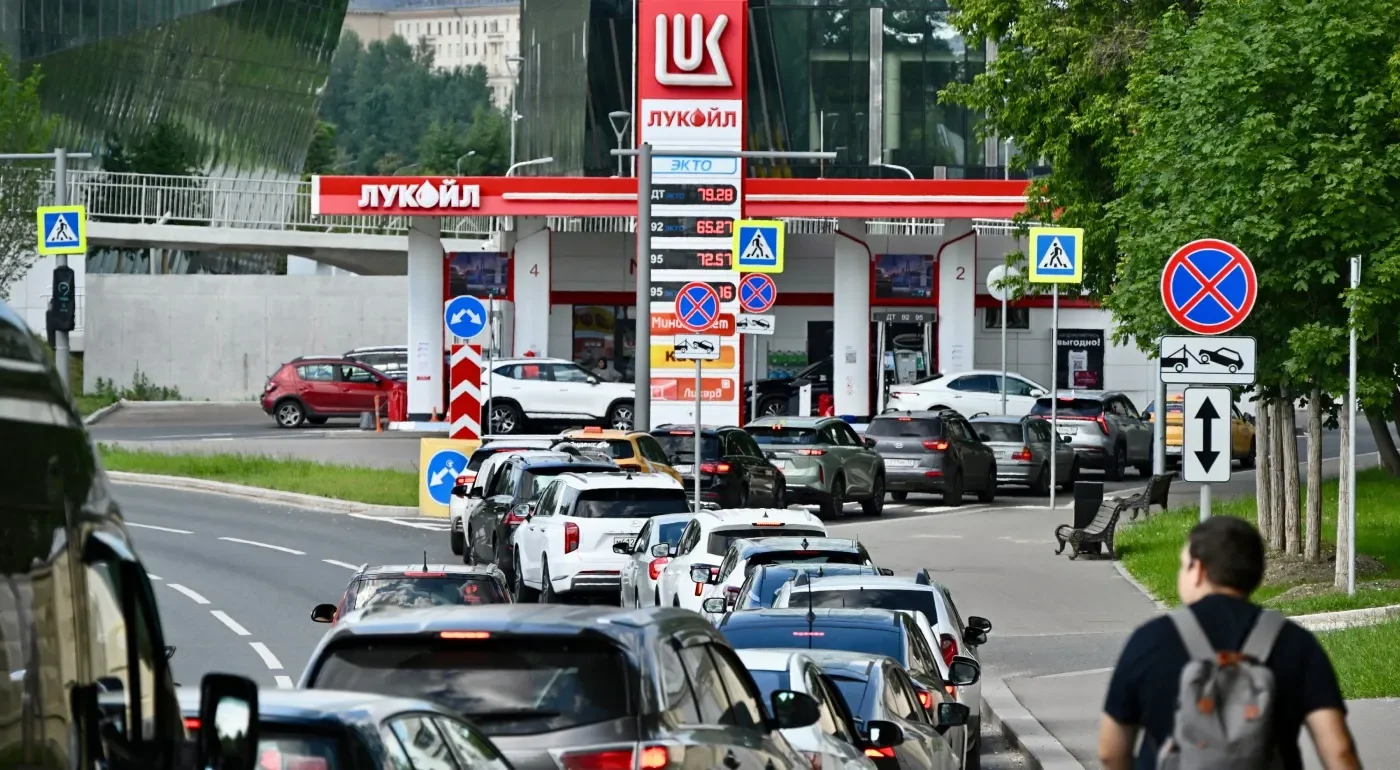
Russia's discussion of mini-refineries emerged against the backdrop of gasoline shortages and attacks on large refining assets. The idea appears attractive because a dispersed network seems harder to disable than a few major plants.
The operational case is much weaker. Even a modest refinery requires specialized equipment, months of delivery and installation, reliable crude supply and a regulatory environment able to manage fire, explosion and environmental risks.
Scale is the decisive problem. Replacing a meaningful share of national refining capacity would require thousands of units and very large investment, while modern vehicle fuel needs more complex processing than simple distillation can provide.
The military logic is also limited. Small refining units remain visible targets, and moving production eastward would create new storage and rail logistics problems for fuel needed in European Russia.
The political meaning is therefore more important than the engineering proposal. The debate signals that officials and consumers are searching for workarounds because the state's promise to guarantee a functioning fuel economy has come under visible pressure.