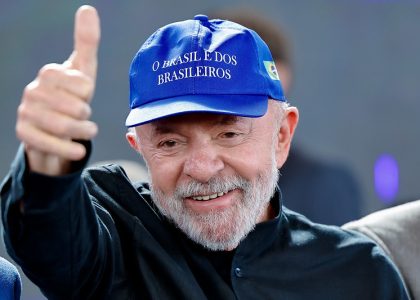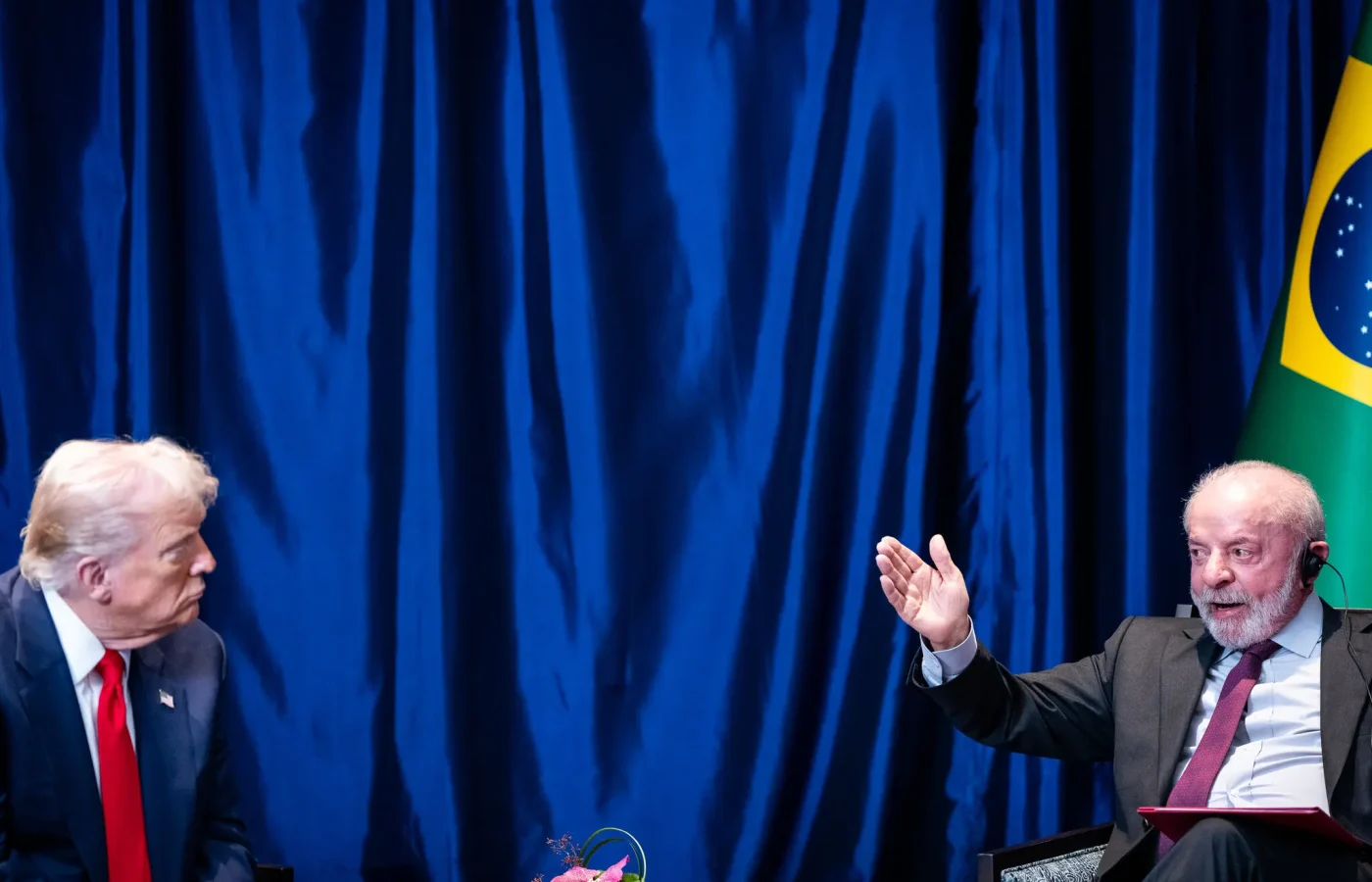
President Luiz Inácio Lula da Silva has drawn a firm line with Donald Trump, telling the U.S. president to "stay on the sidelines" of Brazil's October elections after Trump suggested the country had become "politically dangerous" and "unpleasant."
The exchange began when Trump, speaking on the sidelines of the G-7 summit in Évian, France, commented on the recent conviction of Eduardo Bolsonaro, a former federal deputy and son of ex-President Jair Bolsonaro. Brazil's Supreme Court sentenced Eduardo Bolsonaro to four years in prison for seeking U.S. intervention in the legal proceedings against his father, who was convicted last year for his role in an attempted coup.
Trump told reporters that Brazil had become "a little tough" and "politically dangerous," adding that "they play pretty hard, but nobody plays harder than the United States"—a remark widely interpreted as a threat of further punitive measures. The U.S. president had previously imposed a 50% tariff on Brazilian goods in 2025 and sanctioned Supreme Court Justice Alexandre de Moraes and other officials involved in the Bolsonaro cases, though he later rolled back those measures after diplomatic outreach with Lula.
Lula, also attending the G-7 summit in Switzerland, responded swiftly. "I think he knows little about Brazil... if he knows it, it's through his relationship with the Bolsonaro family," Lula said. He then delivered a clear message: "The only thing I want is the same respect for Brazil that I have for the United States." He called on Trump to "stay on the sidelines" of Brazil's electoral process, insisting that elections are a matter for Brazilians alone. Lula also defended the integrity of Brazil's electronic voting system, which he noted can deliver results within two hours of polls closing.
When asked why he did not request a bilateral meeting with Trump in Évian, Lula explained that the two leaders are in ongoing tariff negotiations. He added that, since "Trump talks a lot and listens little," he simply handed over a folder documenting Brazil's efforts to combat organized crime. Lula also revealed that he told Trump the United States has long been absent from bidding processes in Brazil, so it should come as no surprise that "the spaces that were empty" are now being filled by China.
The conviction of Eduardo Bolsonaro, who has been living in the United States since February 2025, was unanimous among the four justices of the Supreme Court's First Panel. In addition to the prison sentence, he was fined 100 minimum wages—roughly $31,700—and barred from holding public office for eight years. Justice Alexandre de Moraes presented video evidence in which Eduardo Bolsonaro acknowledged and justified his efforts to secure U.S. sanctions against Brazilian magistrates and the prosecutor general.
The U.S. State Department has also weighed in, with a spokesperson condemning the decision as part of a "pattern of persecution and judicialization by Brazilian courts against their political opposition," while adding that "political debates should be resolved through democratic elections, not through sentences." The Lula administration has rejected such claims, characterizing the latest wave of threats as "sabotage by mere electoral and family matters."
Jair Bolsonaro is currently serving a 27-year sentence under house arrest after suffering health issues in prison. His son Eduardo has cultivated a close relationship with Trump during his time in the U.S., though that connection did not prevent the conviction. As Brazil heads toward an October election that could pit Lula against Flávio Bolsonaro, another son of the former president, the diplomatic friction underscores the high stakes of the political battle ahead.